Monday, December 15, 2025

Former UN Secretary-General Ban Ki-moon Asserts that Climate Change is A Crisis Facing Humanity

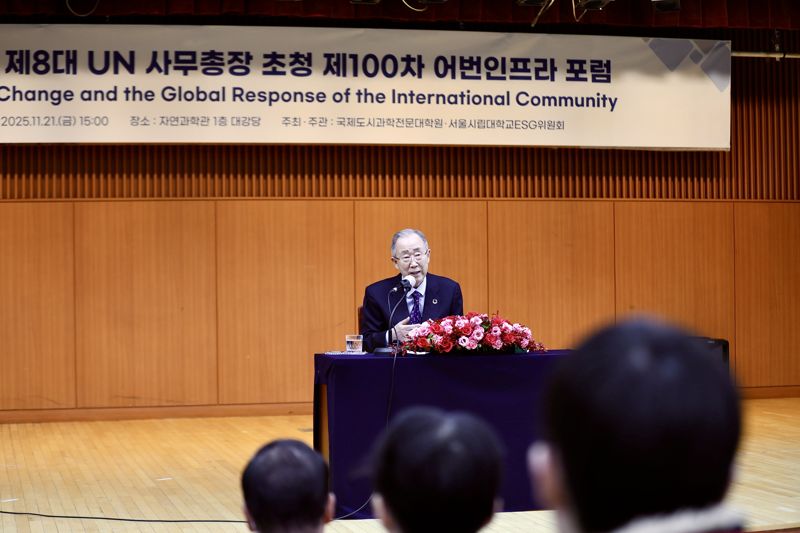
Former UN Secretary-General Ban Ki-moon delivered a special lecture on climate change and the international community\'s response at the 100th Urban Infrastructure Forum held on the 21st in the conference room of the Natural Sciences Building at the University of Seoul, South Korea
Former UN Secretary-General Ban Ki-moon delivered a special lecture on climate change and the international community’s response at the 100th Urban Infrastructure Forum held on the 21st in the conference room of the Natural Sciences Building at the University of Seoul, South Korea

Former UN Secretary-General Ban Ki-moon delivered a special lecture on Climate Change and the International Community’s Response on November 21st at the University of Seoul’s Natural Sciences Building conference room to commemorate the 100th Urban Infrastructure Forum.

According to the University of Seoul on November 24th, the Urban Infrastructure Forum, held monthly since 2013, is the university’s flagship academic event. It addresses key issues in urban, environmental, and international cooperation, fostering knowledge exchange among domestic and international experts and practitioners and exploring global cooperation strategies.

Approximately 300 participants, including civil servant trainees and undergraduate and graduate students from developing countries, attended the lecture both online and offline. It was co-hosted by the University of Seoul’s International Graduate School of Urban Science and the University of Seoul’s Environmental, Social, and Governance (ESG) Committee.

In his lecture, former UN Secretary-General Ban Ki-moon emphasized, Climate change is no longer limited to an environmental issue; it is a crisis affecting humanity that transcends borders. Specifically, regarding the importance of cities, he stated, Climate policy must be implemented from the city level, and policy design and urban planning that reflect resilience and sustainability are key. He continued, Cities are a major source of carbon emissions and a space where the fastest solutions can be provided, and proposed an integrated approach for preemptive responses at the city level and strengthening climate resilience.

He also linked the Paris Agreement to the Sustainable Development Goals (SDGs), emphasizing that “climate response requires global cooperation with legal bindings and implementation monitoring systems.” He also mentioned the role of city-specific climate plans and Nationally Determined Contributions (NDCs), as well as ensuring transparency in attracting public investment and private financing. He stated, Efficient and integrated urban governance, a trust-based climate finance structure, and regional adaptation strategies will determine the sustainability of cities around the world.

The lecture was conducted in English and moderated by Professor Park Hyun of the International Graduate School of Urban Sciences. Following the lecture, civil servant trainees from developing countries had the opportunity to ask questions about their respective cities’ current issues and climate policies and exchange views directly with Secretary-General Ban Ki-moon. Dean Lee Shin of the International Graduate School of Urban Sciences stated, The 100th Urban Infrastructure Forum is a symbol of the international urban cooperation network that the University of Seoul has built over the past decade. We will continue to strengthen sustainable global solidarity in the fields of urban development and environmental policy.
Hot this week

The South Korean Government Is Strengthening Anti-Money Laundering Efforts Following a Surge in Cross-Border Crimes in Cambodia and Other Countries

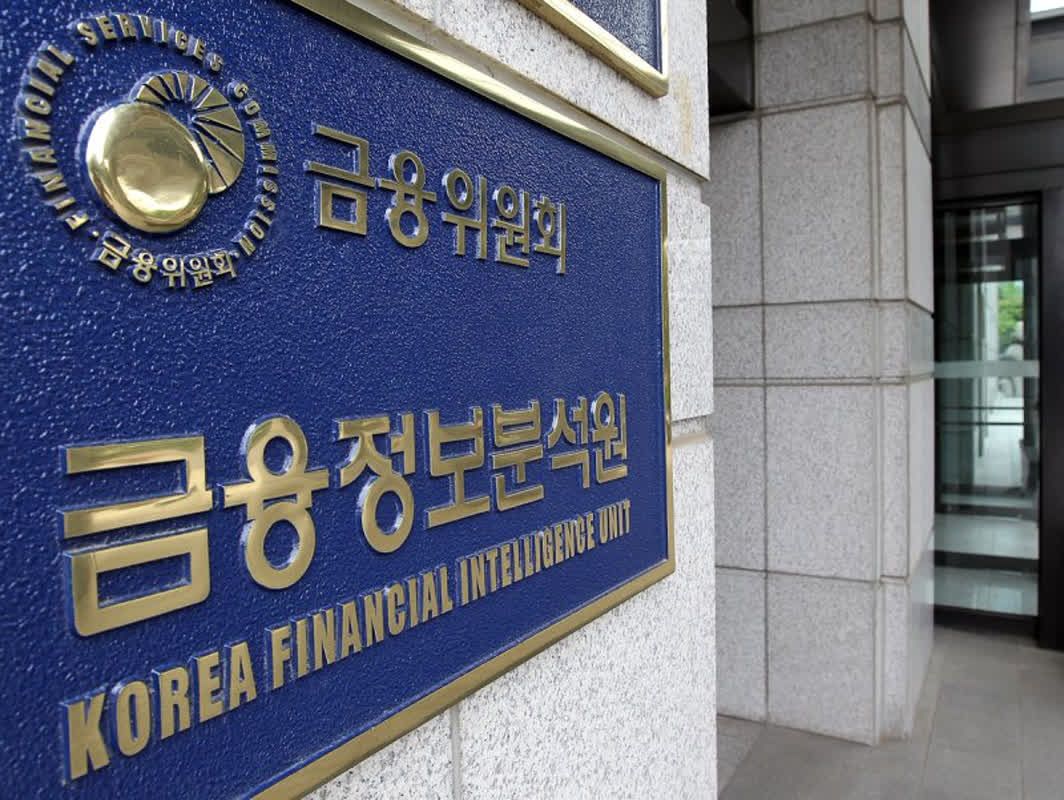
South Korea's FIU emphasizes stronger anti-money laundering measures to combat cross-border crimes targeting South Koreans, especially in Cambodia.

U.S. Hits Chinese Graphite With 93% Tariff—Your Next EV Just Got Pricier

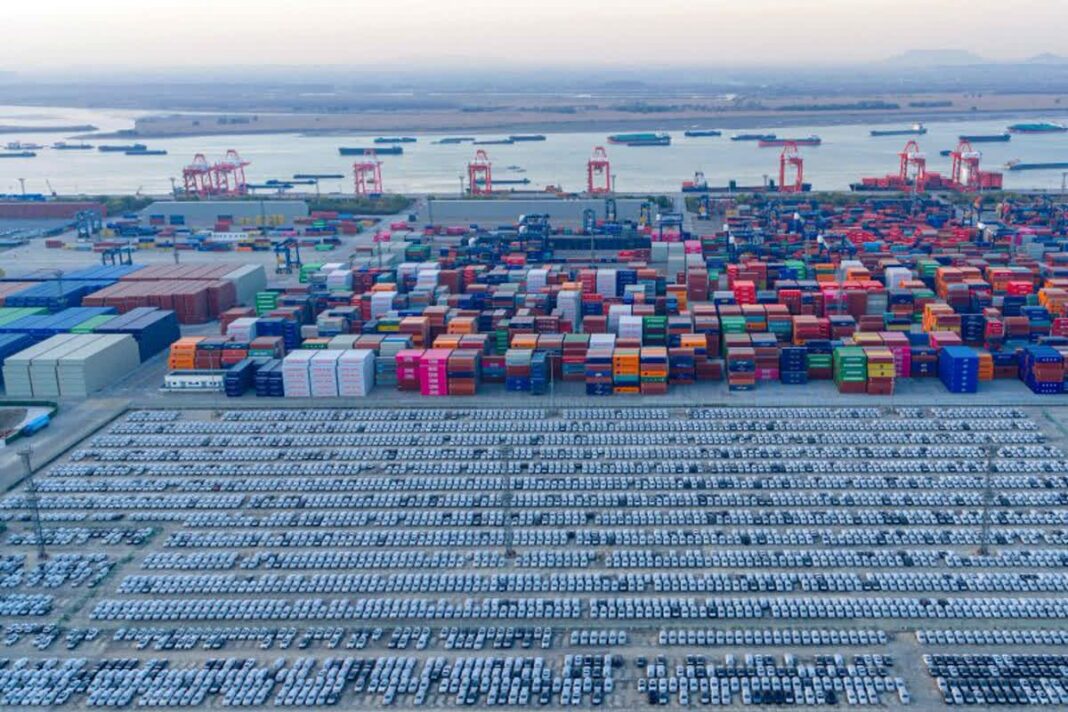
The U.S. imposes a 93.5% tariff on Chinese graphite, risking a $1,000 increase in EV prices as tax credits end and production costs rise.

Crypto Boom: XRP Soars After Congress Passes Stablecoin Bill

The Stablecoin Act has passed Congress, boosting crypto markets, with XRP hitting a new all-time high and regulatory clarity for stablecoins.

Market Panic? Rich Investors Saw a Bargain, Morgan Stanley Says

Morgan Stanley's profits surged as wealthy clients bought stocks during a market downturn, driven by Trump's tariff announcement.

Oil Prices Keep Dropping as Trade Fears Grow

Oil prices fell for the third consecutive day due to rising U.S. gasoline inventories and trade tensions impacting global demand.

Topics

The South Korean Government Is Strengthening Anti-Money Laundering Efforts Following a Surge in Cross-Border Crimes in Cambodia and Other Countries

South Korea's FIU emphasizes stronger anti-money laundering measures to combat cross-border crimes targeting South Koreans, especially in Cambodia.

U.S. Hits Chinese Graphite With 93% Tariff—Your Next EV Just Got Pricier

The U.S. imposes a 93.5% tariff on Chinese graphite, risking a $1,000 increase in EV prices as tax credits end and production costs rise.

Crypto Boom: XRP Soars After Congress Passes Stablecoin Bill

The Stablecoin Act has passed Congress, boosting crypto markets, with XRP hitting a new all-time high and regulatory clarity for stablecoins.

Market Panic? Rich Investors Saw a Bargain, Morgan Stanley Says

Morgan Stanley's profits surged as wealthy clients bought stocks during a market downturn, driven by Trump's tariff announcement.

Oil Prices Keep Dropping as Trade Fears Grow

Oil prices fell for the third consecutive day due to rising U.S. gasoline inventories and trade tensions impacting global demand.

Tesla and BYD Battle for Japan’s Electric Car Crown: Who Will Win?

Tesla and BYD aggressively expand in Japan's EV market, aiming to challenge local automakers amidst low EV adoption rates.

Nvidia Stock Surges Past $170 After U.S. Clears China Chip Exports

Nvidia's stock surged over 4% after the Trump administration lifted export restrictions on H20 semiconductors to China.

Army’s New Shaving Rule Could Push Out Thousands of Black Soldiers

The U.S. Army's new shaving policy may disproportionately impact Black soldiers with shaving difficulties, raising concerns over its fairness.

Related Articles