U.S. and Ukrainian officials concluded two days of intensive ceasefire talks in Berlin on Monday. While U.S. President Donald Trump claimed that a resolution to the conflict is “closer than ever,” Ukrainian officials maintain that significant territorial disputes remain unresolved.
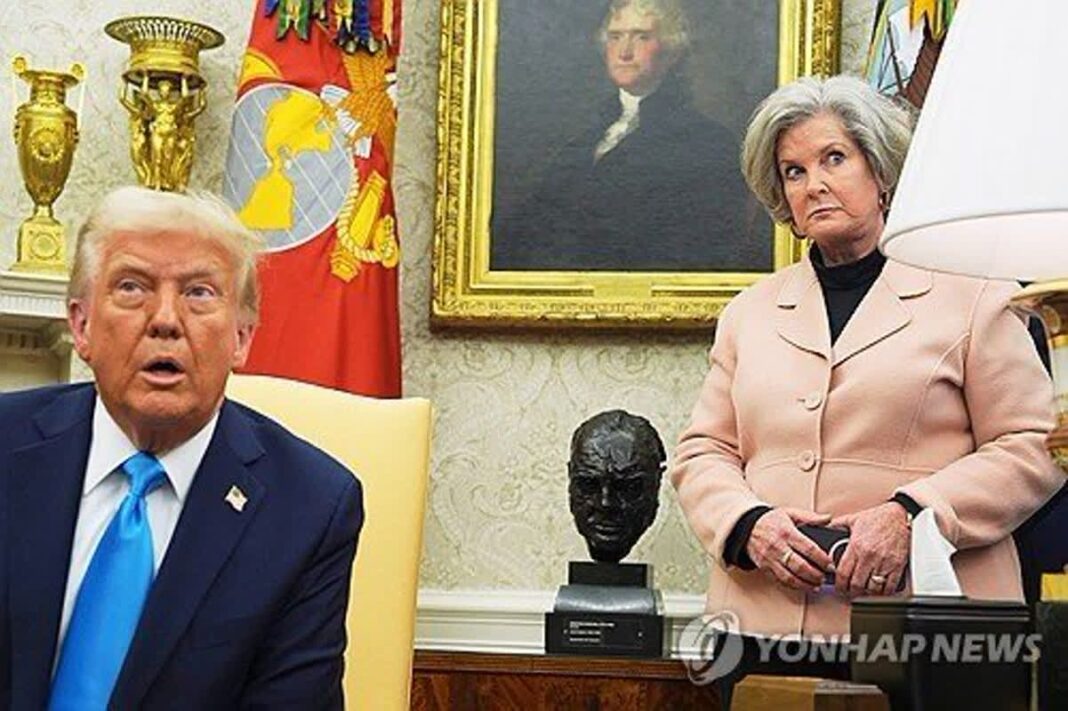
According to reports from Deutsche Welle (DW) and other international media outlets, Trump addressed the ongoing U.S.-mediated ceasefire negotiations between Ukraine and Russia during a border security event at the White House. Trump expressed optimism, stating, “I think we are closer now than we have been ever.” He said he had “very good” and “long” discussions with European leaders an hour ago and claimed that the negotiations are “seemingly going well.” Trump highlighted conversations with Ukrainian President Volodymyr Zelenskyy, as well as leaders from Germany, Italy, Finland, France, the United Kingdom, and NATO. Trump also claimed to have engaged in multiple discussions with Russian President Vladimir Putin.
Emphasizing that the ceasefire is getting closer, Trump claimed that European leaders who want to see an end to the war are providing substantial support. However, he noted the challenges of the situation, explaining that Russia and Ukraine want to end the war, but then would suddenly change their minds. Adding that it is the U.S.’s task to align the positions of both sides, Trump asserted that the dialogue is progressing very positively.
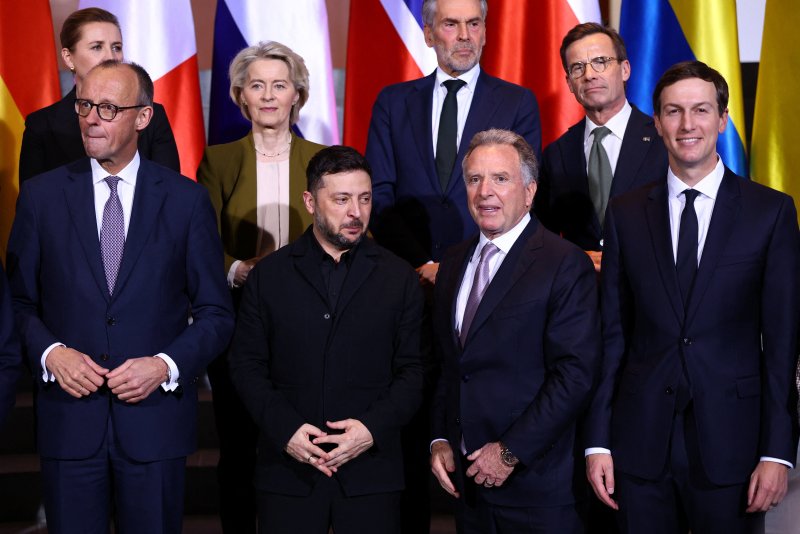
The Trump administration, mediating the end of the war between Ukraine and Russia, presented Ukraine with a draft 28-point ceasefire agreement on November 20. Subsequently, Ukraine refined the proposal through additional consultations with European partners and the U.S. On December 14-15, Ukrainian and U.S. negotiating teams engaged in further talks in Berlin. The U.S. delegation was led by Middle East Special Envoy Steve Witkoff and Jared Kushner, Trump’s son-in-law.
During a press conference in Berlin on Monday, Zelenskyy reported progress on security guarantees, stating that he had reviewed the military’s draft proposals and they appear promising.
An anonymous U.S. official, speaking during an online briefing, referenced NATO’s Article 5 on collective defense, suggesting that Ukraine would receive comparable security assurances. The official also indicated that Russia might be open to Ukraine’s potential EU membership in a final agreement. This marks a shift from Russia’s previous stance, which opposed Ukraine’s NATO membership but did not explicitly reject EU accession.
However, significant disagreements persist regarding Russian-occupied Ukrainian territories. Zelenskyy acknowledged, “There has been sufficient dialogue on the territory, and I think that, frankly speaking, we still have different positions.” The Associated Press reported, citing an official, that the U.S. continues to demand Ukrainian withdrawal from the eastern Donbas region, encompassing Donetsk and Luhansk provinces. Ukraine has reportedly rejected these proposals, calling for further negotiations.
Since its February 2022 invasion, Russia has occupied most of eastern Ukraine’s Donbas region and demands control over the remaining areas. Ukraine argues that conceding the Donbas strongholds would compromise its capital’s defenses, viewing Russia’s demands as a pretext for further aggression. In response, the U.S. has proposed establishing a demilitarized economic free zone in Donbas following a Ukrainian withdrawal. However, Ukraine remains firm in its stance against territorial concessions, insisting on maintaining its current front lines.