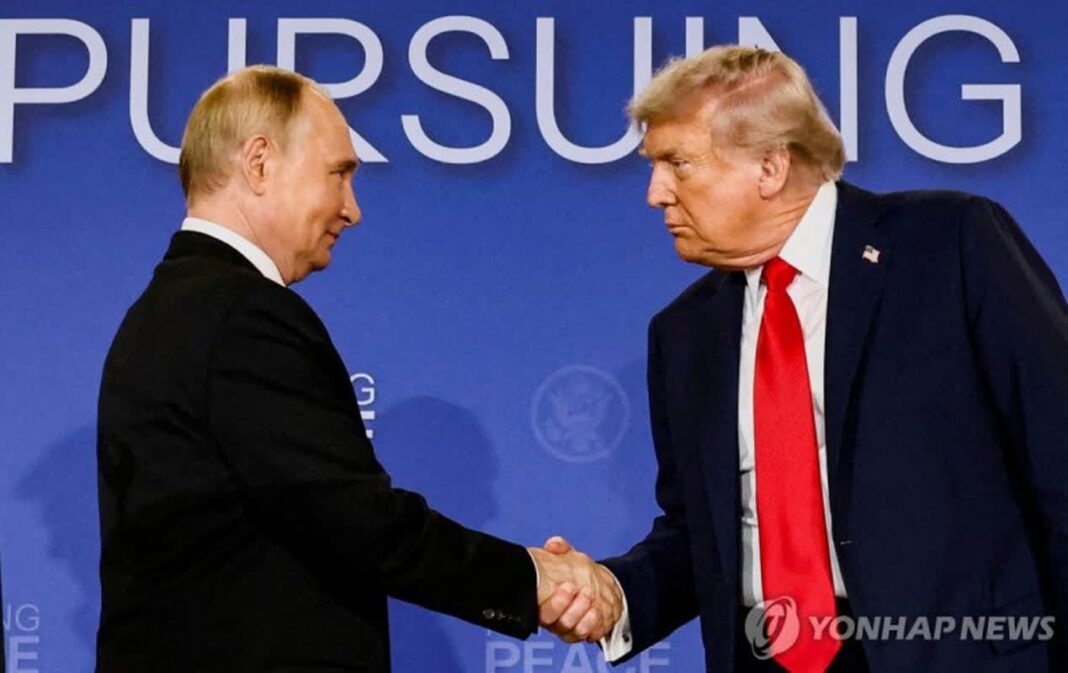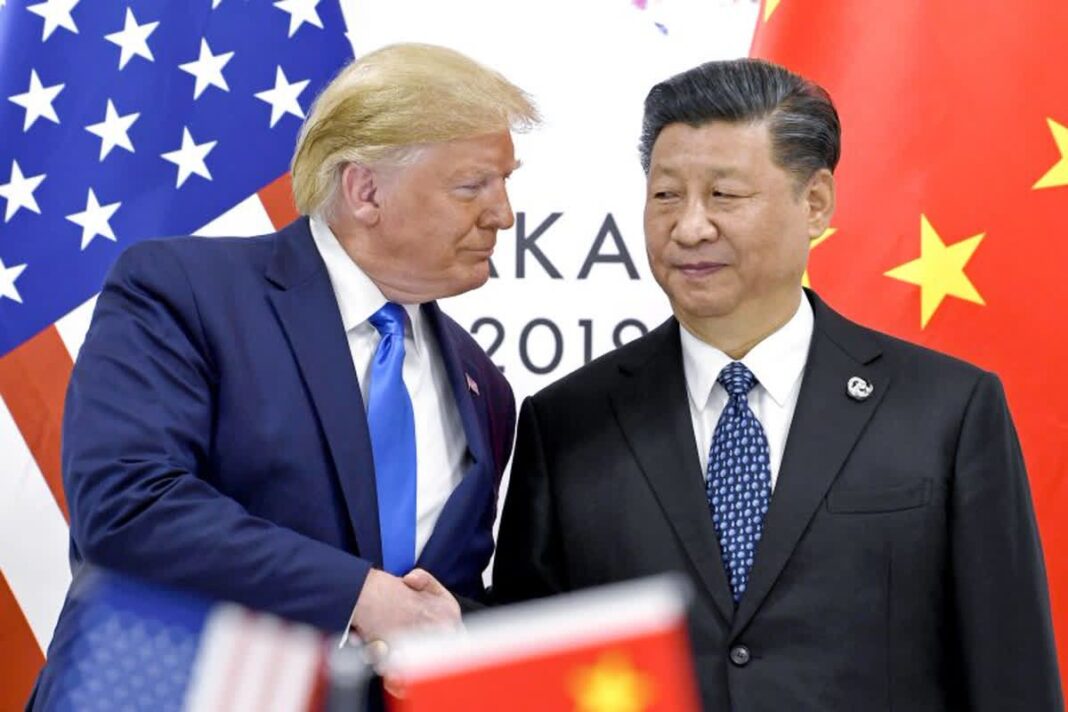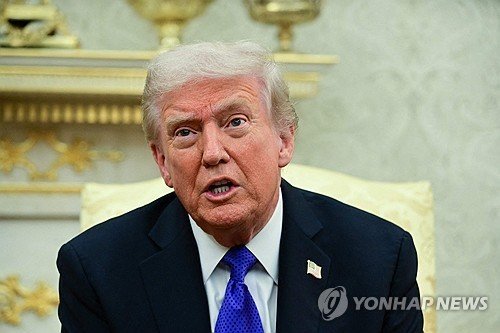
U.S. President Donald Trump’s demand for 350 billion USD in investments from South Korea in exchange for tariff reductions has drawn criticism from prominent U.S. media outlets. They question the feasibility of such a request and argue that South Korea would be better off channeling these funds toward defense spending. The South Korean government cites Japan’s earlier pledge to invest 500 billion USD in the U.S. as a basis for considering a similar investment.
South Korean and U.S. officials are currently engaged in final trade negotiations in Washington, D.C.
Examining Japan’s Investment Pledge
The Wall Street Journal recently published an editorial titled “About Trump’s Foreign Investment Funds,” with the subtitle “Tokyo and Seoul have pledged vast amounts that are hard to believe will ever happen.”
The editorial suggests that although the memorandum of understanding (MOU) with Japan “sounds like a success until you examine the details.” It noted, “The Japan MOU says the money will be invested in ‘sectors deemed to advance economic and national security interests,’ such as metals, energy, artificial intelligence and quantum computing.”
However, the editorial stresses that the apparent success of these negotiations may be misleading.
It clarified that this is not private sector investment, “like TSMC’s decision to build a semiconductor plant in Arizona.” It added, “These are government-to-government investments that will be entirely at the discretion of the U.S. government—meaning the President and his deputies. These are de facto sovereign-wealth funds administered without an appropriation or legislation from Congress.”
The editorial examined the details of the Japan-U.S. MOU. The U.S. reached a preliminary agreement with Japan to reduce mutual tariffs to 15% in exchange for 550 billion USD in investments. The MOU stipulates that these investments will bolster national security and the economy, as determined by the U.S. president.
Japan agreed to provide the funds within 45 days or face potentially steep tariffs. Notably, even if the investments yield profits, Japan will not fully benefit; both countries have agreed to share profits only up to a predetermined cap, after which the U.S. will claim 90% of any returns.
Using this agreement as a template, Trump is now demanding 350 billion USD in upfront investments from South Korea.
The Implications of Emulating Japan’s Approach
The Wall Street Journal editorial questioned the scale of the investment demand from South Korea, citing a report by Andy Laperriere of Piper Sandler, a prominent investment bank.
The report highlighted, “the $350 billion would amount to 6.5% of South Korea’s GDP spread over the three years left in the second Trump term. Japan would have to spend $183 billion a year through 2028 under its MOU, or 4.4% of GDP for each the next three years. Japan’s Bank for International Cooperation has only $35 billion in assets.”
The editorial suggested that channeling such funds into South Korea’s defense budget might be more beneficial than investing them in the U.S.
It asked, “Wouldn’t Japan and South Korea be better off spending more on defense as Mr. Trump has been urging?” “They have pledged two to three times as much to Mr. Trump’s funds. Where are they going to come up with the money?” the editorial questioned.
Currently, South Korea allocates 2.3% of its GDP to defense, while Japan spends 1.8%. The U.S. Department of Defense has previously stated that Asian allies like South Korea should aim to allocate 5% of their GDP to defense.
South Korea’s Final Push in Negotiations Before APEC
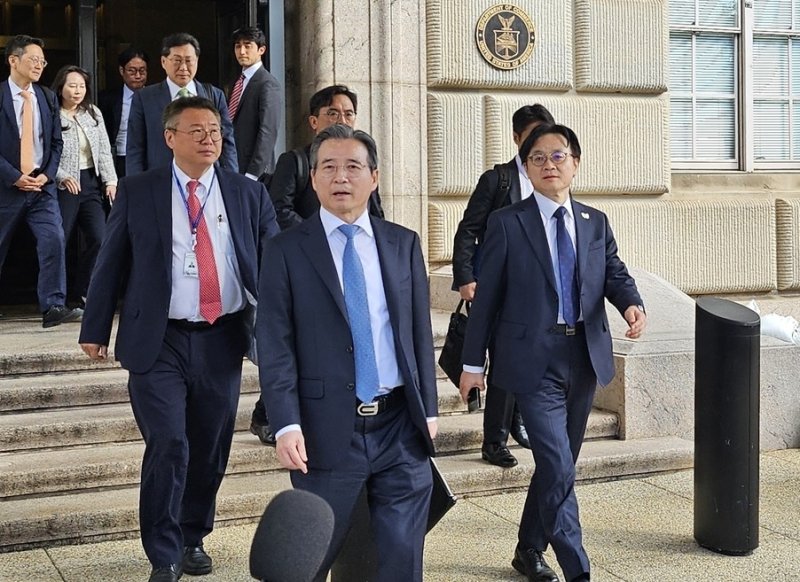
The South Korean government is in the final stages of negotiations with the U.S. ahead of the Asia-Pacific Economic Cooperation (APEC) summit scheduled for October 31 in Gyeongju.
Kim Yong-beom, Chief of Staff for Policy at the Presidential Office, and Kim Jeong-kwan, Minister of Trade, Industry and Energy, met with U.S. Secretary of Commerce Howard Lutnick for approximately two hours at the U.S. Department of Commerce building in Washington D.C. This meeting follows their visit to the U.S. just six days earlier.
After the meeting, Kim told reporters, “We discussed many outstanding issues. There was some progress, but not substantial. Only one or two issues remain unresolved, requiring further discussions.”
When asked if the negotiations had reached their final stage, Kim replied, “We’re not at the final stage yet. In negotiations, it’s not over until it’s truly over.”
Kim refrained from disclosing specific details about the remaining issues or the extent of the progress made. It is believed that the 350 billion USD investment package for the U.S. was a key topic of discussion.