Immediately after the cancellation of the U.S.-Russia summit, the United States has imposed sanctions on major Russian energy companies. This move directly targets the energy sector, which is seen as the financial lifeline for the ongoing conflict in Ukraine. U.S. President Donald Trump described the measures as tremendous, while Treasury Secretary Scott Bessent urged allies to join in. Analysts suggest that this economic pressure from the U.S. comes as Russia remains unyielding in ceasefire and peace negotiations.
U.S.-Russia Summit in Hungary Abruptly Canceled
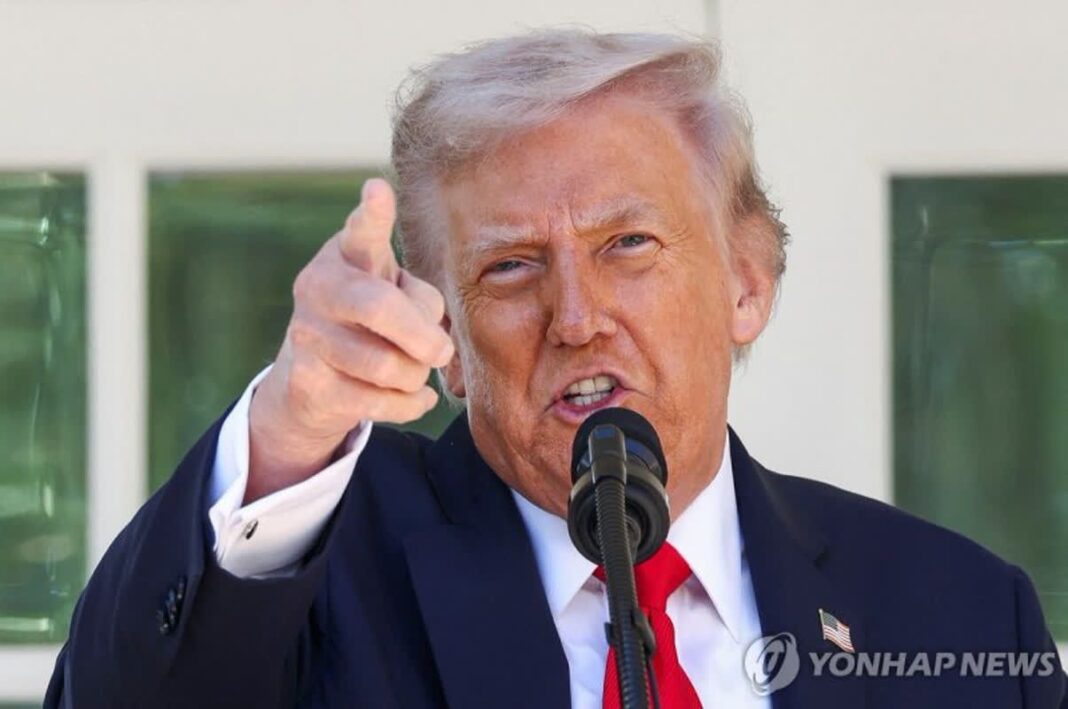
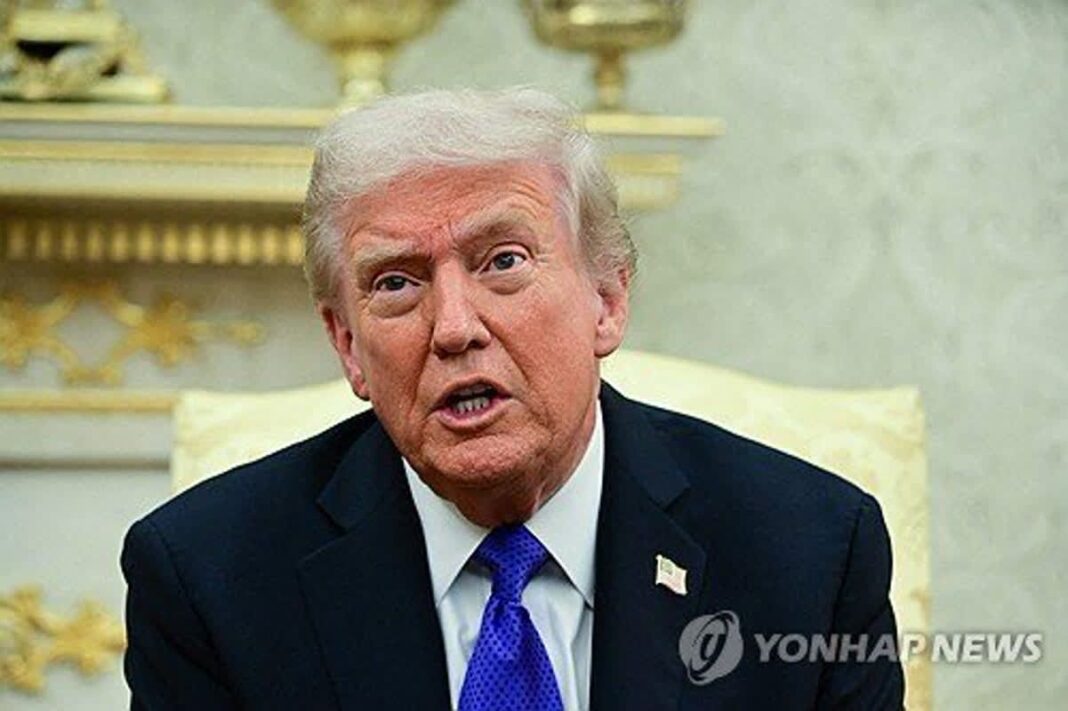
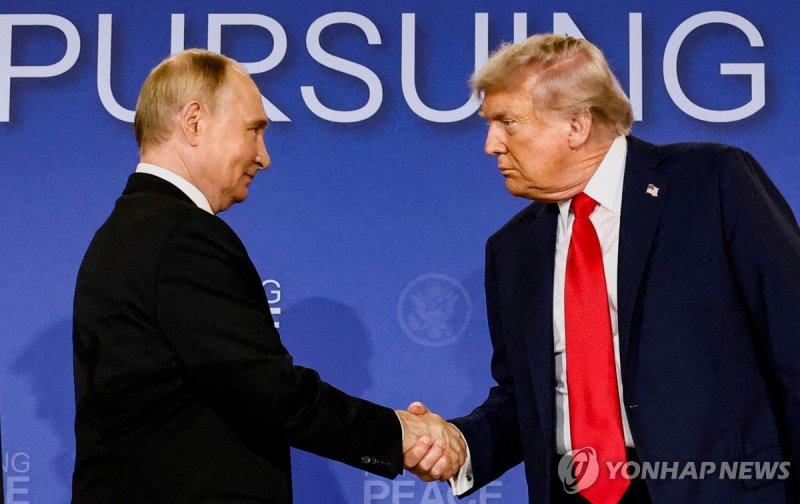
On Wednesday, Trump announced during a White House meeting with NATO Secretary General Mark Rutte, “We canceled the meeting with President Putin. It just didn’t feel right to me,.” He added, “Every time I speak with Vladimir, I have good conversations, and then they don’t go anywhere”
Previously, Trump had announced plans for a summit in Hungary following a phone call with Putin on October 16. However, subsequent media reports hinted at a possible cancellation. The White House officially confirmed the cancellation on Wednesday.
The reason for the summit’s collapse is Russia’s unwavering stance. Russia continues to insist that Ukraine must cede more territory for a ceasefire to be feasible. Specifically, Russia is reportedly demanding control over the entire Donbas region in eastern Ukraine, including Donetsk and Luhansk. Currently, Russia occupies all of Luhansk and about 75% of Donetsk. These demands effectively reject proposals from Trump and European leaders to freeze the current front lines and pursue a ceasefire.
U.S. Takes Aim at Russia’s War Chest
The U.S. Treasury’s Office of Foreign Assets Control (OFAC) announced new sanctions, stating, “Russia is not engaging seriously in peace talks over Ukraine.” The sanctions target Russia’s oil giants, Rosneft and Lukoil, along with their subsidiaries.
The Treasury Department emphasized that these companies are pivotal to Russia’s energy sector and serve as key funding sources for the Kremlin’s war efforts. All U.S.-based assets of entities in which these companies hold a 50% or greater stake are now frozen.
Trump stated, “I just felt it was time. We waited a long time.” Besant added that as long as Putin ends this senseless war, the U.S. will continue to cut off Russia’s energy funds.
EU Moves to Sever Russian Energy Ties
The European Union is preparing its 19th sanctions package, aimed at fundamentally reducing dependence on Russian energy. The new measures are expected to include a complete ban on Russian LNG imports, sanctions on 117 “shadow fleet” tankers, and prohibitions on ruble-linked cryptocurrency transactions.
Denmark has officially announced a total ban on Russian LNG imports starting January 1, 2027. This move is seen as a direct hit to Russia’s energy revenue structure. A senior EU diplomat commented, “These sanctions are tightening the noose around the Russian economy, and we intend to pull it even tighter.”