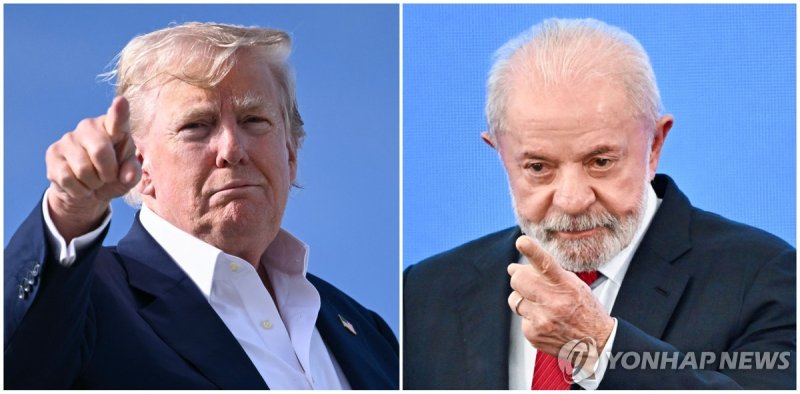
The United States and Brazil have agreed to hold high-level talks to ease tensions over the imposition of a 50% import tariff.
On Wednesday, Brazilian President Luiz Inácio Lula da Silva announced that a meeting for tariff negotiations between representatives of both countries will take place in the U.S. tomorrow. He stated that Foreign Minister Mauro Vieira is scheduled to have discussions with U.S. Secretary of State Marco Rubio.
Lula recalled parts of his conversation with U.S. President Donald Trump on October 6, which opened the door for tariff negotiations. He shared, “I’m 80 years old, and President Trump will turn 80 in eight months. So, as the one who is eight months older, I suggested we speak without formalities and have a candid conversation.”
He expressed optimism about the upcoming negotiations, saying that he felt “great chemistry” in just 29 seconds at the UN. This refers to Trump’s humorous remark during his UN General Assembly speech last month, where he mentioned feeling great chemistry during his brief encounter with Lula.
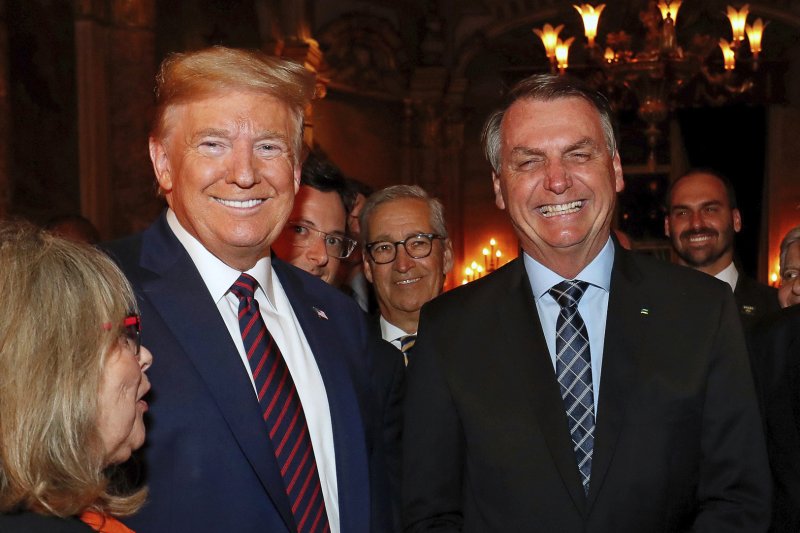
Previously, relations between the two countries deteriorated amid controversies surrounding the trial of former Brazilian President Jair Bolsonaro, often referred to as the “Trump of Brazil,” for allegedly plotting a coup, as well as Trump’s perceived interference in Brazil’s internal affairs.
On October 11, Brazil’s Federal Supreme Court sentenced Bolsonaro to 27 years and 3 months in prison on charges including conspiracy to commit a coup, organizing an armed criminal group, and destruction of cultural heritage. In response, the Trump administration imposed sanctions on Brazilian Supreme Court Justice Alexandre de Moraes, who presided over the related trial, and his wife
Trump had already imposed a “tariff bomb” on Brazilian products in July, citing the Bolsonaro issue.
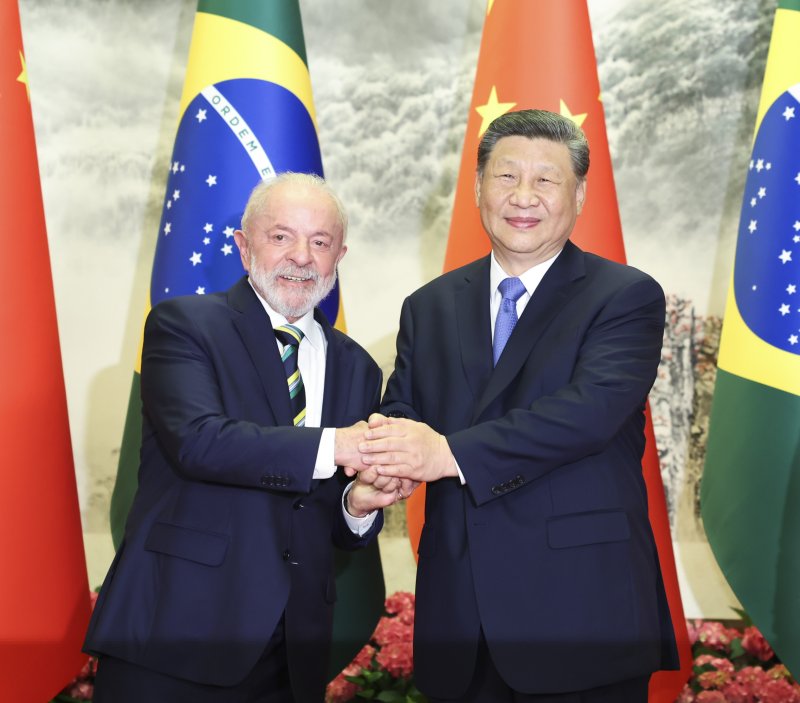
In light of the sudden thaw in relations, Brazilian media outlet G1 speculated that the U.S. government might address the de-dollarization efforts of BRICS, an alliance of non-Western emerging economies, during these negotiations. Brazil is a member of BRICS, established under the leadership of China and Russia.
Related to this, Trump claimed during a recent summit with Argentine President Javier Milei – often called the “Trump of Argentina” – that “BRICS was an attack on the dollar, and when I said I would impose tariffs on countries trying to join BRICS, they agreed to withdraw their applications.”
The Trump administration’s shift towards dialogue with Lula’s government comes as China has recently announced tighter controls on rare earth exports and suspended imports of U.S. soybeans, escalating tensions with the U.S.
Analysts interpret that Trump has made a strategic decision not to allow Brazil to lean further toward China as he faces significant negotiations or a potential resumption of a tariff war with his main strategic competitor.