South Korean medical care has once again proven its global standing. According to the medical community on Thursday, in Newsweek’s World’s Best Specialized Hospitals and Smart Hospitals 2026 rankings, Samsung Medical Center and Asan Medical Center were named among the world’s top 10 hospitals in the fields of oncology, pulmonology, and smart hospitals, and in six clinical fields, respectively.
This achievement underscores that both hospitals have firmly established themselves as global top-tier institutions. This success extends beyond individual accomplishments, demonstrating that South Korea’s healthcare system and its clinical and research capabilities have reached the highest global standards.
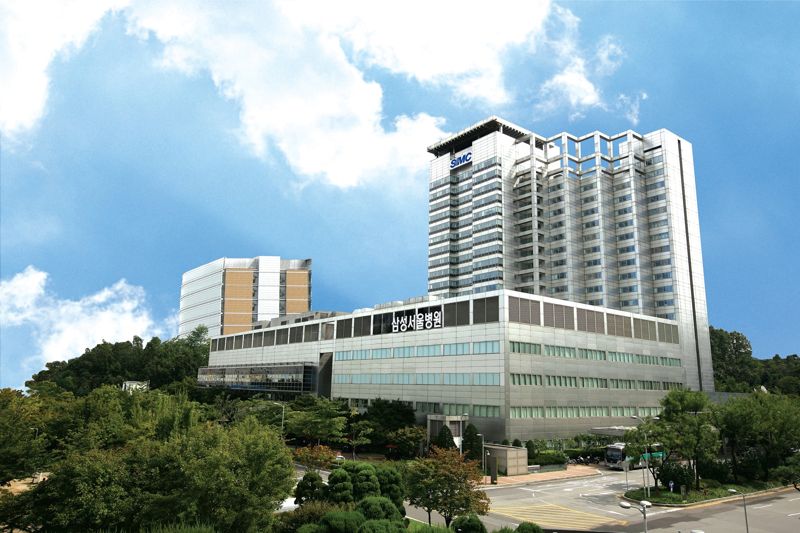
Samsung Medical Center has ranked third globally in cancer treatment for two consecutive years. Considering that Memorial Sloan Kettering Cancer Center and MD Anderson Cancer Center, which occupy the top spots, are specialized cancer hospitals, Samsung Medical Center effectively holds the title of the world’s best general hospital in this field.
Since opening Asia’s largest single cancer hospital in 2008, Samsung Medical Center has pioneered advanced treatments such as CAR-T cell therapy, precision medicine, and proton therapy at a world-class level.
The five-year survival rate for cancer patients at the center is 75.0%, among the highest worldwide. Notably, the five-year relative survival rate for lung cancer is 63.6%, more than double the U.S. rate of 28.1%. This remarkable improvement in survival rates, even among elderly patients and those with stage IV metastatic cancer, has captured global attention.
In pulmonology, the hospital ranked 19th globally and first domestically, showcasing its premier treatment capabilities in Asia. This success stems from multidisciplinary care for complex diseases such as lung cancer, chronic lung disease, and lung transplants, as well as its world-class research outcomes.
Furthermore, Samsung Medical Center has maintained its position as the top smart hospital in South Korea for five consecutive years and ranks 15th globally. It became the first institution worldwide to receive the highest ratings in all four evaluation areas from HIMSS, the largest healthcare IT conference. The hospital also introduced an innovative model called the Digital Twin Hospital (DOCC) to simulate patient flow, further cementing its status as a leader in medical technology.
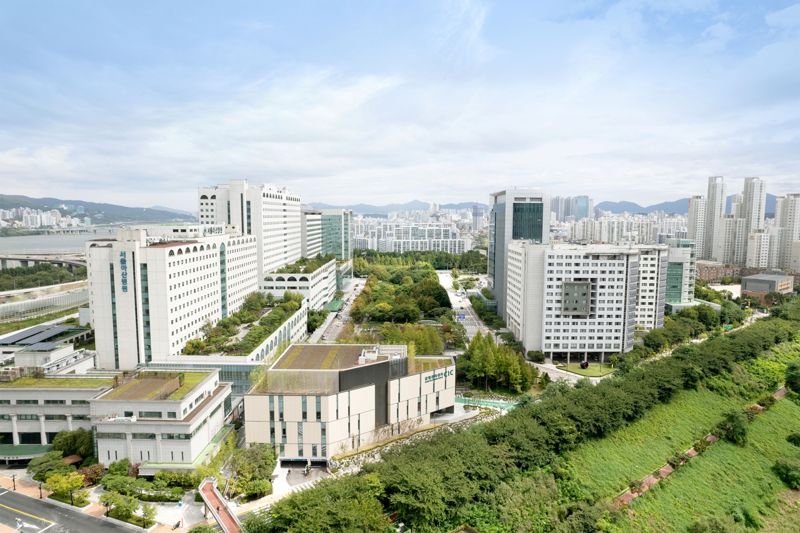
Asan Medical Center has made a significant mark in this year’s Newsweek evaluation, entering the global top 10 in six clinical fields: cardiac surgery, gastroenterology, nephrology, neurosurgery, pulmonology, and oncology. This achievement represents the highest number of top 10 rankings among South Korean medical institutions.
Notably, the hospital particularly excelled in gastroenterology and nephrology, ranking fifth worldwide in both fields. It also secured impressive positions in the treatment of high-difficulty diseases, placing sixth in cardiac surgery and ninth in oncology. As South Korea’s largest hospital with approximately 3,700 beds, Asan Medical Center annually treats nearly 4 million patients and performs over 60,000 complex surgeries – a level of experience that has garnered international recognition.
Beyond its clinical achievements, Asan Medical Center is also producing world-class research. The institution publishes over 3,000 SCI papers annually, demonstrating research capabilities that rank among the highest in Asia. It is also at the forefront of developing AI and big data-based precision medicine and next-generation medical technologies.
These accomplishments indicate that South Korea has reached the pinnacle of treatment and research for severe diseases. The presence of multiple Korean hospitals in the global top 10 for high-complexity areas such as cancer, cardiology, and gastroenterology is a testament to the country’s strengthened international competitiveness in healthcare.
Healthcare professionals note that South Korea now stands shoulder-to-shoulder with the United States and Europe in terms of medical infrastructure and workforce quality. This latest evaluation provides numerical confirmation of the country’s world-class healthcare achievements.
Dr. Park Seung-woo, President of Samsung Medical Center, expressed his satisfaction with the global recognition. He stated, “We are delighted that our advancements in future medicine, particularly in treating severe diseases, have been acknowledged by medical experts worldwide. We remain committed to pushing boundaries for a healthier, brighter future for humanity.”
Dr. Park Seung-il, President of Asan Medical Center, stated, “Asan Medical Center has evolved into a global institution trusted by patients from South Korea and around the world, particularly for our leadership in treating severe diseases like cancer and heart conditions. We are dedicated to further enhancing our treatment systems for complex illnesses, ensuring patient safety, and delivering the highest quality of medical care.”