Wednesday, March 18, 2026

Trump Signs Order to Slash Tariffs on Japanese Cars: What This Means for Your Next Vehicle

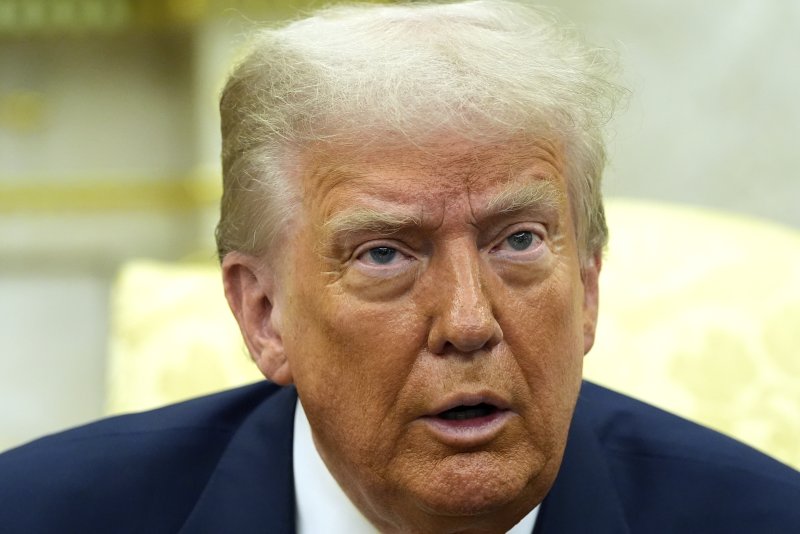
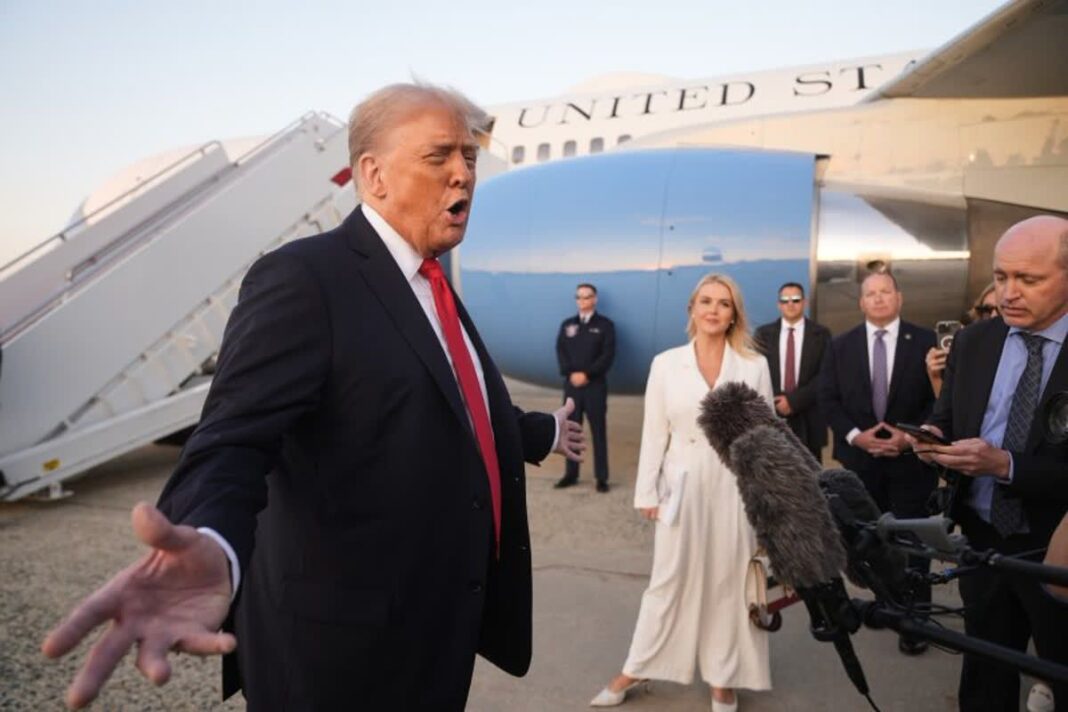
U.S. President Donald Trump signed an executive order on Thursday to slash tariffs on Japanese automobiles, the White House announced. This move will see the current 25% tariff on Japanese cars in the U.S. drop to 12.5%, resulting in a final rate of 15% when combined with the existing 2.5% duty.

The measure also includes provisions for reciprocal tariff reduction for Japan, with a 15% cap on the combined rate.

On the same day, Ryosei Akazawa, Japan’s Economic Revitalization Minister, met with U.S. Secretary of Commerce Howard Lutnick in Washington to discuss the auto tariff reduction and Japan’s 550 billion USD investment plan in the United States.

Analysts predict that major Japanese automakers could return to profitability in their fiscal year ending March 2026 if the U.S. lowers the tariff on Japanese vehicles from 27.5% to 15%.

Honda recently revised its net profit forecast for the fiscal year ending March 2026 upward from 250 billion JPY (approximately 1.68 billion USD) to 420 billion JPY (approximately 2.83 billion USD), citing the reduced impact of U.S. tariffs. During an earnings call, Honda’s CFO Eiji Fujimura emphasized the need for structural preparation, stating, “We must assume high tariffs could become the new normal.”

Goldman Sachs estimates that the tariff burden on seven major Japanese automakers will be nearly halved, from 3.47 trillion JPY (approximately 23.38 billion USD) to 1.89 trillion JPY (approximately 12.74 billion USD). The decline in operating profits is expected to ease from 47% to around 25%. Toyota’s burden is projected to decrease from 1.6 trillion JPY (approximately 10.78 billion USD) to 872 billion JPY (approximately 5.88 billion USD), while Nissan’s is expected to drop from 470 billion JPY (approximately 3.17 billion USD) to 256 billion JPY (approximately 1.73 billion USD).

Takaki Nakanishi, head of Nakanishi Automobile Industry Research, called the 15% tariff “manageable through self-help efforts,” adding that this is not an exaggeration to call this a victory for the auto industry alone.

However, the industry remains cautious. Exchange rate risk is significant, with most automakers basing profit estimates on an exchange rate of 145 JPY to the dollar. As expectations grow for Federal Reserve interest rate cuts, concerns about yen appreciation are mounting.

The auto parts sector faces significant challenges as well. With about 68,000 companies in the supply chains of ten major automakers, including Toyota, smaller parts suppliers struggle to pass on rising costs to their customers.
Hot this week

Unlocking the Power of Intel Core Series 2: A Comprehensive Guide to Edge AI Solutions

Intel unveils Core Processor Series 2 and AI suite for healthcare, enhancing edge computing performance and reliability in industrial settings.

Samsung’s Record R&D Investment: How it is Shaping the Future of AI and Semiconductors

Samsung Electronics invested a record $25.33 billion in R&D to lead in AI and semiconductors, boosting its future tech capabilities.

How Rising Fuel Prices Impact Asian Airlines: A Comparison of FSC vs. LCC

Low-cost carriers are struggling to cope with rising fuel prices, lacking effective hedging strategies unlike major airlines.

SK Group Invests 630 Million USD AI Company

SK Group invests heavily in AI, aiming to transform into a leader in the AI market through a new U.S. investment firm.

Nvidia’s Jensen Huang Predicts 1000x Surge in AI Computing Demand

Nvidia's CEO highlights surging AI computing demand due to AI agents like OpenClaw, boosting memory chip demand from firms like Samsung.

Topics

Unlocking the Power of Intel Core Series 2: A Comprehensive Guide to Edge AI Solutions

Intel unveils Core Processor Series 2 and AI suite for healthcare, enhancing edge computing performance and reliability in industrial settings.

Samsung’s Record R&D Investment: How it is Shaping the Future of AI and Semiconductors

Samsung Electronics invested a record $25.33 billion in R&D to lead in AI and semiconductors, boosting its future tech capabilities.

How Rising Fuel Prices Impact Asian Airlines: A Comparison of FSC vs. LCC

Low-cost carriers are struggling to cope with rising fuel prices, lacking effective hedging strategies unlike major airlines.

SK Group Invests 630 Million USD AI Company

SK Group invests heavily in AI, aiming to transform into a leader in the AI market through a new U.S. investment firm.

Nvidia’s Jensen Huang Predicts 1000x Surge in AI Computing Demand

Nvidia's CEO highlights surging AI computing demand due to AI agents like OpenClaw, boosting memory chip demand from firms like Samsung.

How Samsung’s Galaxy S26 Series Leverages India’s R&D for Innovation

Samsung's R&D centers in India are key to developing the Galaxy S26, highlighting India's role in global tech innovation.

GPT-5.4 vs. GPT-5.2: What Makes OpenAI’s Latest Model a Game Changer?

OpenAI launched GPT-5.4, an AI model enhancing professional tasks with improved coding, reasoning, and tool integration capabilities.

Apple MacBook Air M5: Is the Price Increase Worth the AI Performance Boost?

Apple launches the MacBook Air with M5 chip, doubling storage and enhancing AI capabilities, starting from 1,223 USD.

Related Articles