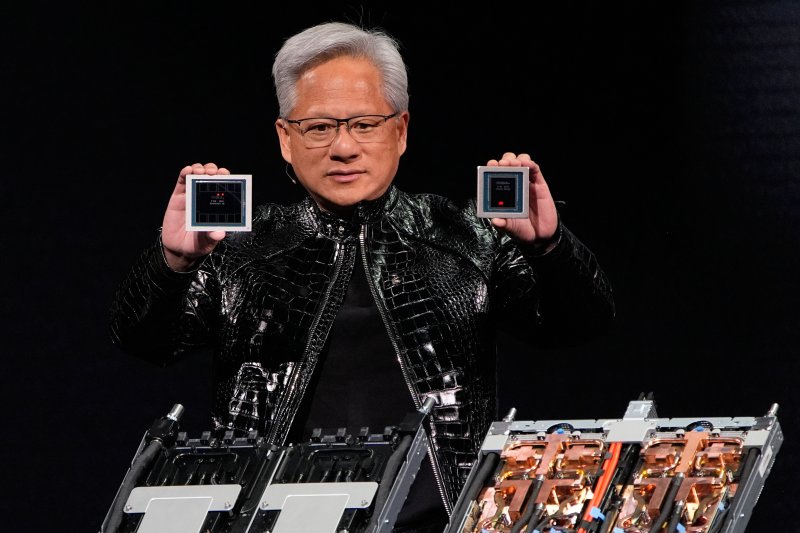
Nvidia CEO Jensen Huang has assessed that computing demand is exploding due to the proliferation of artificial intelligence (AI) agents. In particular, he lauded the open-source AI agent OpenClaw as the most pivotal software of our era. As the demand for AI computing surges, expectations are also growing for memory semiconductor companies such as Samsung Electronics and SK Hynix to benefit.
According to WCCFTech on March 7, Huang stated at a recent Morgan Stanley conference that the most significant current change is the emergence of agentic AI, adding that computing demand is increasing explosively due to the spread of AI agents. He focused on the adoption speed of OpenClaw. “While Linux took three decades to reach its current usage levels, OpenClaw surpassed that in just three weeks,” he stated, adding that it is becoming the most downloaded open-source software ever.
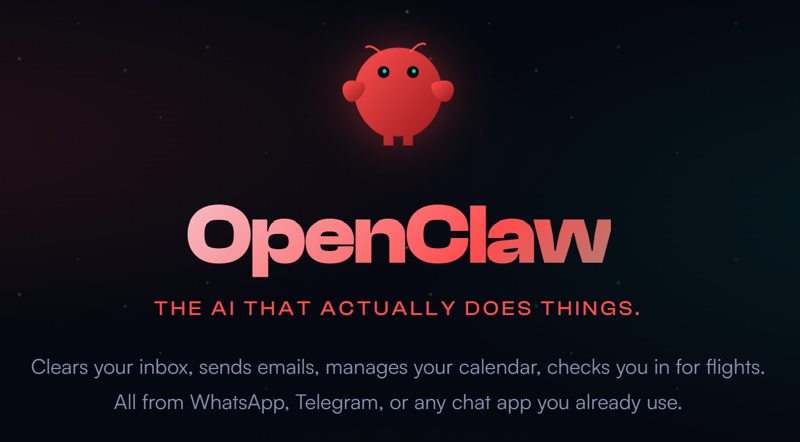
OpenClaw is an AI agent that recognizes computer screens and directly manipulates the mouse and keyboard to perform human tasks. As it can automatically perform various tasks, similar to the AI assistant Jarvis from Iron Man, it is spreading rapidly among developers and tech enthusiasts.
Due to security concerns, there is an increasing number of cases where OpenClaw is run on separate computers isolated from work PCs. This trend has boosted demand for Apple’s Mac Mini as a dedicated AI workstation, not just in Silicon Valley but also in South Korea.
Huang stressed that AI agents like OpenClaw are dramatically increasing computing demands. “Agentic AI has amplified token consumption by roughly 1,000 times,” he explained, pointing to an emerging “computing gap.”
The computing gap reflects the struggle of AI infrastructure expansion to keep pace with soaring computational needs. AI agents, performing complex tasks like extensive web searches, analyses, and image generation simultaneously, are pushing data processing limits. Huang predicted sustained growth in computing resource demand as AI agents continue to permeate human work domains.

Nvidia is accelerating the launch of its next-generation AI chips to meet this surge. While the Hopper and Blackwell architectures focused on AI training, the upcoming Vera Rubin platform will prioritize AI agent workloads, including long-context processing.
The surge in AI computing demand is expected to drive the demand for next-generation memory, particularly high-bandwidth memory (HBM). Samsung Electronics, SK Hynix, and Micron currently dominate the global HBM market. Industry experts anticipate that the proliferation of AI agents will catalyze AI infrastructure investments, boosting demand for both Nvidia GPUs and HBM. This AI infrastructure expansion is projected to positively impact the performance of domestic memory chip manufacturers.