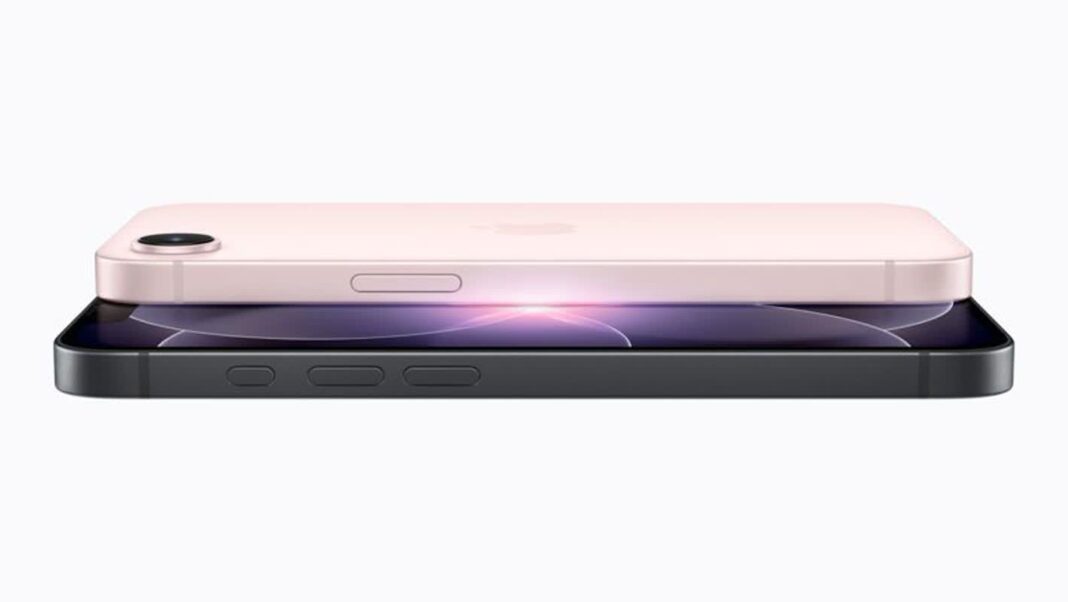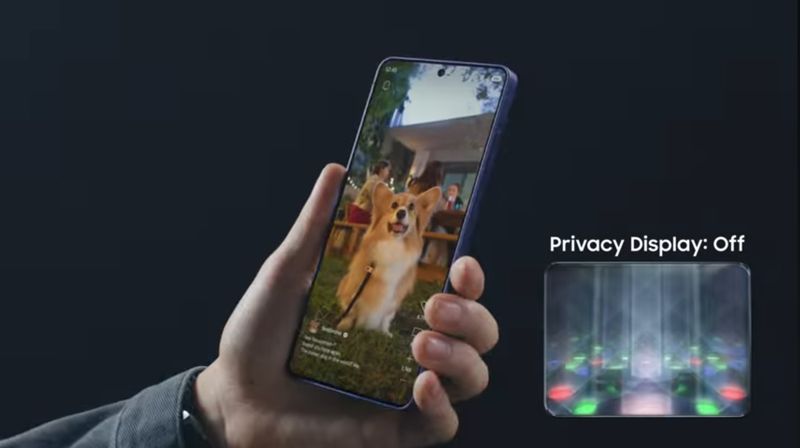
At the recent Galaxy S26 Unpacked event on February 25, it wasn’t AI that stole the show. Instead, the Privacy Display on the Galaxy S26 Ultra that took center stage. Attendees remarked that “this feature is more magical than AI” and, “If I’ had known beforehand, I would have held off on upgrading.”

Think of the Galaxy S26 Ultra’s Privacy Display as a built-in privacy screen, but that description does not fully express Samsung’s technological breakthrough. Unlike traditional privacy filters that constantly block side views, this display allows users to selectively shield specific areas and toggle the feature on and off at will. This situational control is what it’s being called “magical.” The industry evaluates this as a technological gap that even Apple will not be able to catch up with in the short term.
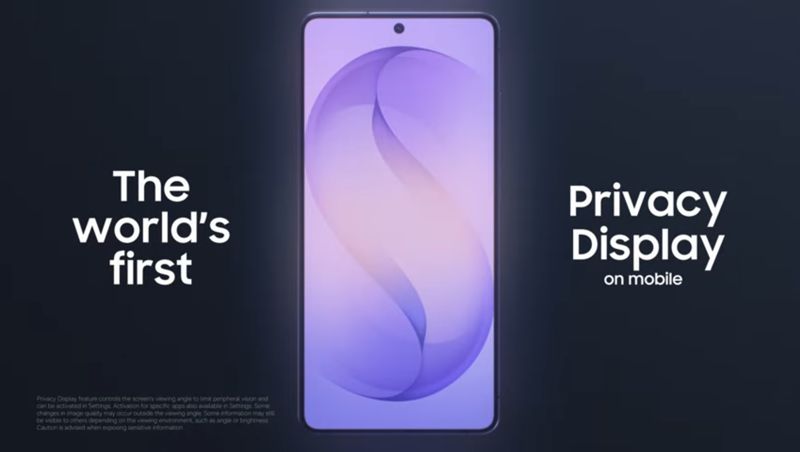
How does it work without a physical film? The Flex Magic Pixel (FMP) principle
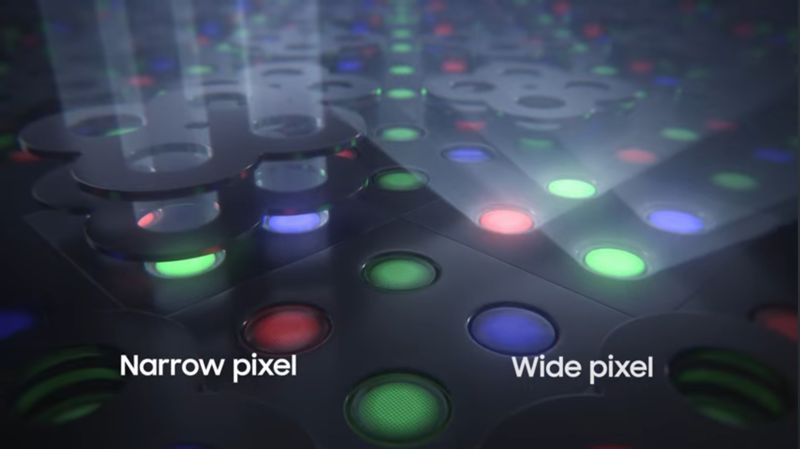
Traditional privacy screens use a physical louver layer to redirect light, often resulting in a darker, less clear display even when viewed head-on. The Galaxy S26 Ultra’s Privacy Display, however, employs Flex Magic Pixel technology to control light at the pixel level.
It utilizes a dual pixel structure that is divided into “Narrow pixels” that shoot light straight forward and “Wide pixels” that spread it to the sides. For intelligent blocking when privacy mode is activated, the wide pixels shut off, leaving only the narrow pixels active. As a result, an overwhelming brightness of 2,600 nits is delivered directly to the user facing the front, but the brightness plummets to less than 3.5% at angles of 45 degrees or more, effectively blacking out the screen to onlookers.
Samsung Secures 150 Patents over 5 years
Samsung invested heavily in this feature, filing over 150 patents since 2020. During the development process, the biggest hurdles were the eliminating screen artifacts and managing power consumption when the privacy feature was active. Early prototypes suffered from poor image quality, and software-based solutions drained battery life. But after five years of relentless R&D, Samsung resolved both issues. While some slight color differences may exist, most users report negligible changes. The display provides lossless image quality, boasting the same rich colors as an existing wide-viewing-angle display when the feature is turned off. Furthermore, it demonstrates magical battery efficiency; because it directly controls pixels at the hardware level, battery consumption actually decreases when using the privacy mode.
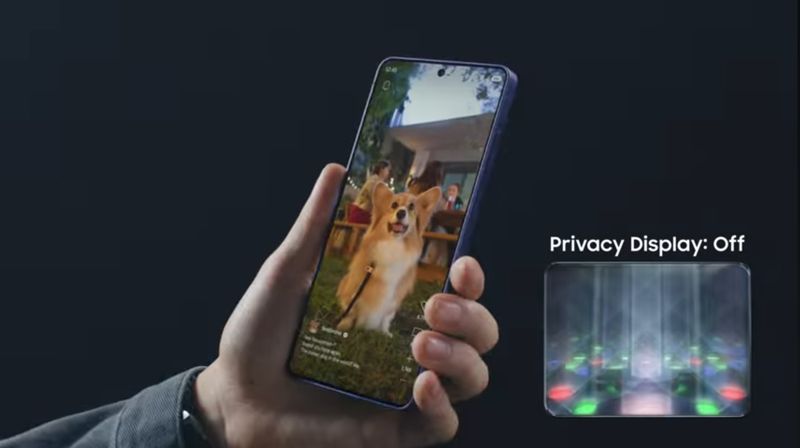
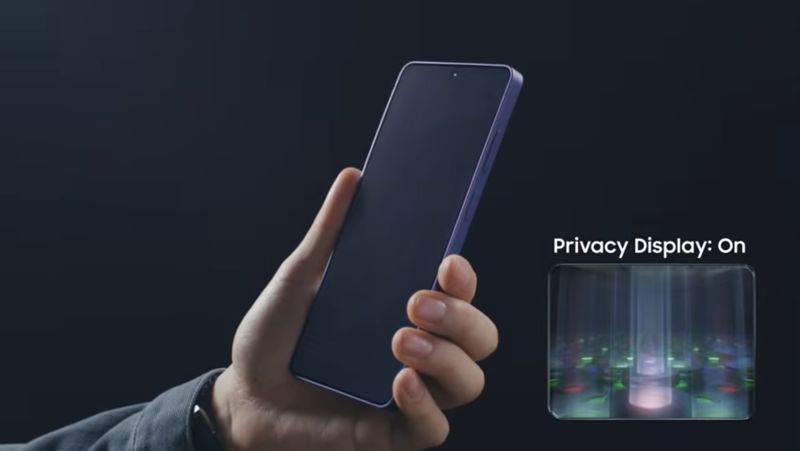
Smart Privacy: Tailored to Your Needs
The Galaxy S26 Ultra’s Privacy Display can be turned on depending on the situation, and it is also possible to obscure only desired areas. Through context-aware automatic activation, if the user sets it up in advance, the front camera and sensors analyze the surrounding environment in real time. If a user enters a crowded subway or cafe, the AI detects this and automatically activates the privacy mode. When launching a financial app, it automatically enters full-screen blocking mode. For message notifications, it narrows the viewing angle only for the top pop-up section to prevent people nearby from reading the content. When entering a password, it selectively blocks only the keypad area to maximize security.
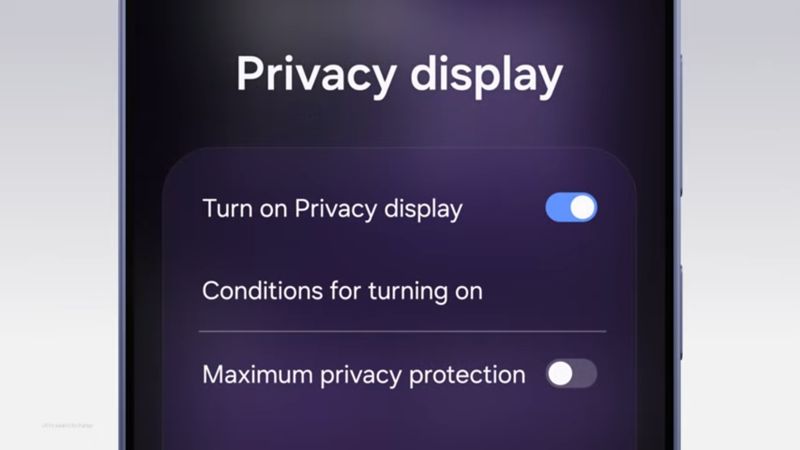
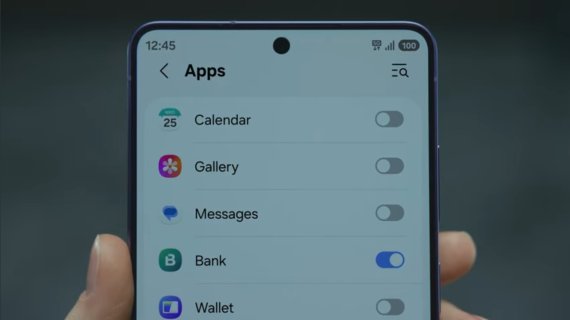
Apple, Take Note: Global Media Applauds Samsung’s Innovation
Major news outlets, including The Wall Street Journal (WSJ), have showered praise on the Galaxy S26 Ultra. In particular, despite Apple’s long-standing focus on privacy protection as a core brand value, analysts say Apple has fallen behind Samsung in hardware-level display solutions.
The Wall Street Journal evaluated the Galaxy S26 Ultra’s privacy display tech “a hardware triumph” and urged Apple to “immediately follow Samsungs’ innovation” with screen technology. While Chinese manufacturers are scrambling to develop similar tech, industry experts believe it will take considerable time to overcome Samsung Display’s key patents in areas like pixel-level processing and multi-layered light-blocking structures.