Samsung Electronics’ Mobile Experience (MX) division is facing mounting pressure as rising costs threaten to erode profitability. In response, the company is overhauling its product mix strategy. With mid-range and budget devices typically seeing wider margin fluctuations as costs move, Samsung is pivoting toward a sales strategy centered on higher-value premium products.
Shipments Up, Profits Down: Samsung’s Dilemma
Market research firm Counterpoint Research reported that the global average selling price (ASP) of smartphones hit 402 USD in Q4 2025, breaking the 400 USD barrier for the first time. This marks a substantial increase of over 50 USD from the previous quarter’s 350 USD. The surge is attributed to consumers opting for pricier flagship models during their upgrade cycles.
Apple spearheaded the ASP increase, capturing about 57% of total smartphone market revenue in Q4 of last year, largely driven by its premium iPhone 17 series.
On the other hand, Samsung presents a different story. Despite a 17% year-over-year increase in smartphone shipments, the company saw its ASP plummet by 20%. This decline is largely due to robust sales of the Galaxy A series, Samsung’s budget-friendly line priced between 400,000 and 500,000 KRW (approximately 276 to 345 USD), which yielded lower profit margins. Samsung’s Q4 2025 ASP stood at 244 USD, down 51 USD (17.3%) from the previous quarter’s 295 USD. Historically, the Galaxy A series has been a cash cow for Samsung Electronics. While not a high-margin product, its cost-effectiveness has fueled significant growth in emerging markets. In fact, three Samsung models ranked among the top ten best-selling smartphones globally last year, with the Galaxy A16 5G and Galaxy A06 4G securing fifth and sixth places, respectively. The premium Galaxy S25 Ultra ranked ninth.
Galaxy S26 Series: Samsung’s Make-or-Break Moment
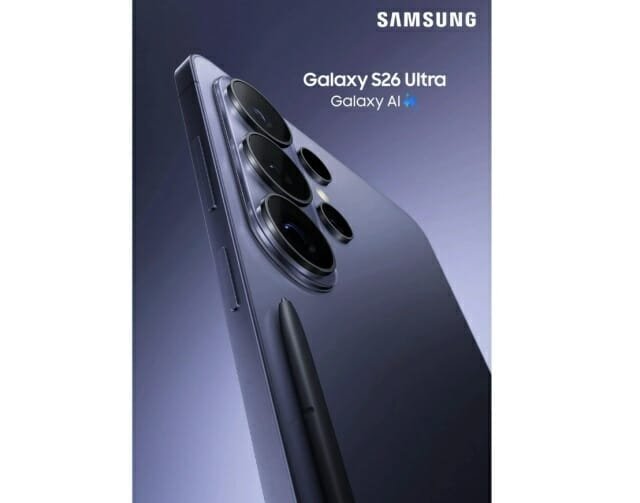
The ongoing surge in core component prices poses a significant challenge, severely impacting margins on budget devices. For Samsung, the impending launch of the Galaxy S26 series this month could be a pivotal factor in its financial performance. The new lineup faces the task of outperforming its predecessor to drive results. Industry insiders suggest that Samsung is doubling down on boosting sales of the Ultra model, which commands the highest price point. Initial production volumes for the Ultra are reportedly set at over 3.6 million units, far outstripping the standard model (700,000 units) and the Plus variant (600,000 units).
While price hikes for the Galaxy S26 series seem inevitable, Samsung aims to justify the premium by significantly enhancing the Ultra model’s capabilities. The company plans to equip the base and Plus models with its in-house Exynos 2600 mobile application processor, while the Ultra will exclusively feature the cutting-edge Snapdragon 8 Elite 5th generation chip. Additionally, the Ultra will debut a novel privacy protection feature, shielding the mobile screen from prying eyes without the need for an external protector.
Jo Sung-hyuk, Vice President and the Head of Strategic Marketing at Samsung’s MX division, stated, “We are leveraging our AI technology leadership and stable supply chains to drive sales of our new models, with a particular focus on our flagship offerings.”