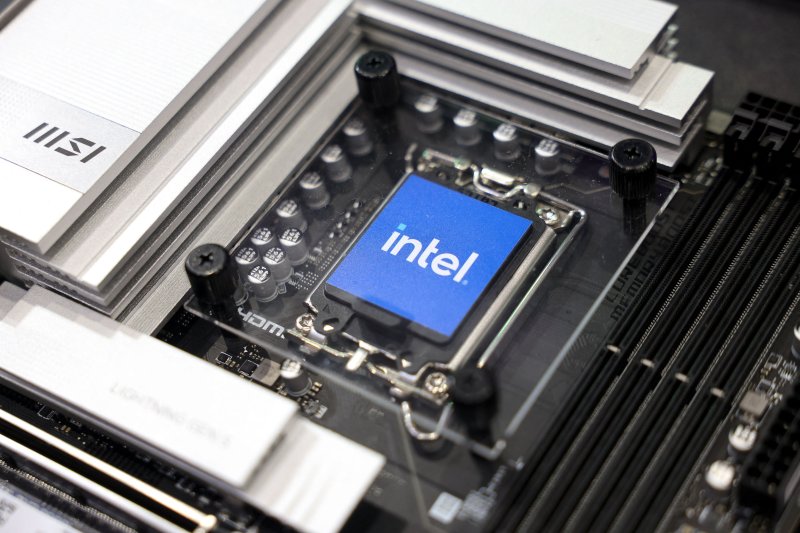
Intel, renowned for its CPUs and U.S.-based semiconductor fabs, is set to ramp up production of high-performance graphics processing units (GPUs) tailored for the artificial intelligence (AI) sector. If successful, it could allow Intel to recapture semiconductor production volumes previously outsourced to Taiwan’s TSMC by U.S. companies, potentially paving the way for in-house AI chip development.
According to the US tech media outletTechCrunch reports that Intel CEO Lip-Bu Tan announced plans to create AI-optimized GPUs during the AI Summit hosted by Cisco AI Systems in San Francisco on the February 3.
While both CPUs and GPUs process information, they operate distinctly. CPUs handle tasks sequentially, managing operating systems and complex calculations. However, GPUs excel at parallel processing. Once primarily used for graphics in gaming and video production, GPUs have entered a new era as it became known that they are more suitable than CPUs for AI development and execution. Nvidia, traditionally a GPU maker, has skyrocketed to become the world’s top company by market capitalization as major global IT companies scrambled to order GPUs for AI development. The term “AI semiconductors” typically refers to specialized GPUs designed for AI, often incorporating high-bandwidth memory (HBM) chips.
Intel has been producing GPUs, but mainly integrated versions within CPUs. This strategy contrasts with rival AMD’s long-standing focus on high-performance standalone GPUs. Consequently, Intel has watched competitors dominate the AI data center GPU market.
At the recent event, Tan revealed the hiring of a highly capable GPU design lead, without naming names. Industry insiders speculate it might be Eric Demers, a GPU expert recently hired from Qualcomm last month. Demers announced his move to Intel as Senior Vice President on LinkedIn.
Tan also mentioned that Kevork Kechichian, an Executive Vice President (EVP) and head of the data center division hired from the British semiconductor company ARM last year, will spearhead the new GPU initiative. He emphasized the crucial link between GPUs and data centers, stressing the importance of customer collaboration in shaping their offerings.
With its U.S.-based foundries, Intel could potentially manufacture GPUs for competitors like Nvidia, which has primarily relied on Taiwan’s TSMC for production.
Tan noted growing interest from clients in Intel’s foundry services, particularly in its cutting-edge 1.4nm manufacturing process.
Tan also commented on Chinese semiconductor firms’ ability to produce advanced chips despite U.S. sanctions limiting access to high-end equipment. He expressed surprise at Huawei’s recruitment of top chip designers, noting that China’s semiconductor industry is finding innovative ways to lead in AI despite equipment shortages. Tan also pointed out that any slowdown in AI industry growth would likely stem from memory chip shortages.