The global smartphone market last year continued the trend of Chinese manufacturers chasing the two-party system of Apple and Samsung Electronics. This year, several factors are poised to shake up the industry, including Apple’s integration of Google AI, the launch of its first foldable phone, and pricing strategies influenced by skyrocketing component costs.
According to market research firm Counterpoint Research on January 14, global smartphone shipments grew by 2% compared to the previous year, marking the second consecutive year of growth.
This uptick was driven by premium product strategies, effective marketing, and the expansion of 5G smartphones in emerging markets. The demand for high-end device upgrades was particularly strong, fueling growth in the premium segment. Fears about U.S. tariff impacts proved largely unfounded, with shipment volumes in the latter half of the year remaining stable. The fourth quarter saw a modest 1% year-over-year increase in global smartphone shipments.
Apple claimed the top spot with a 20% market share last year. Shipments increased by 10% compared to the previous year, showing the highest growth among the top five brands. The success of the iPhone 17 series, coupled with continued strong sales of the iPhone 16 lineup in Japan, India, and Southeast Asia, contributed to Apple’s dominance. Apple capitalized on the replacement cycle coinciding with pent-up demand from the COVID-19 era.
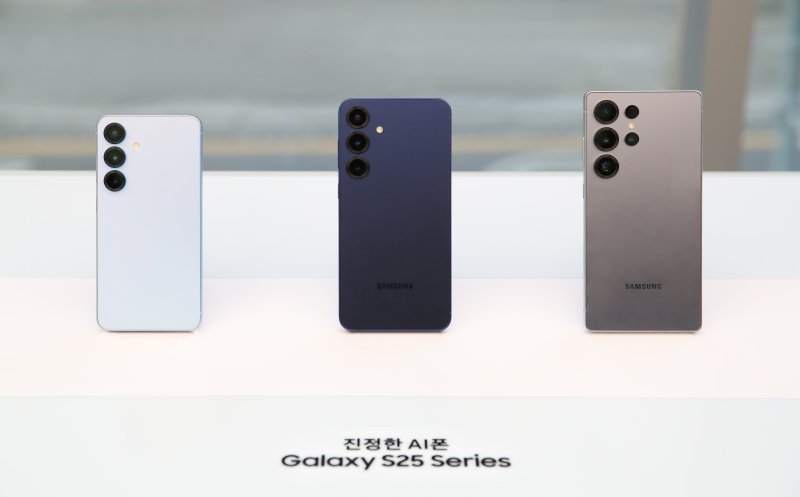
Samsung Electronics secured second place with a 19% market share and a 5% increase in shipments. The company’s strength lies in its mid-range Galaxy A series, while its premium offerings, the Galaxy Z Fold 7 and Galaxy S25 series, also performed well, bolstering overall demand.
The premium smartphone market, largely split between Samsung and Apple, is set for another fierce battle this year. Samsung aims to maintain its AI leadership with the launch of the world’s first AI smartphone, the Galaxy S24 series, in 2024. Apple, which effectively failed to develop its own AI technology, plans to integrate Google’s large language model Gemini into its Siri assistant. Additionally, Apple is poised to enter the foldable phone market in the latter half of the year, potentially reshaping the competitive landscape.
Chinese manufacturers are rapidly closing the gap. Xiaomi held onto third place with a 13% market share, while Vivo and Oppo each claimed 8% of the market.
However, the smartphone industry faces headwinds in 2024, with demand expected to slow due to rising costs of components like DRAM and NAND flash. Counterpoint Research has revised its shipment forecast downward by 3%.
The impact of these cost pressures is already evident. Xiaomi, once known for cost-effectiveness, has increased prices for its Redmi K90 and flagship Xiaomi 17 Ultra by about 10%. Samsung plans to raise prices for its upcoming Galaxy S26 series in March, marking the first increase in three years. Industry insiders note that while manufacturing costs are surging, companies must carefully balance price hikes against potential drops in shipment volumes.