Thursday, April 2, 2026

FDA Recalls Frozen Korean Oysters Over Norovirus Risk

Shutterstock

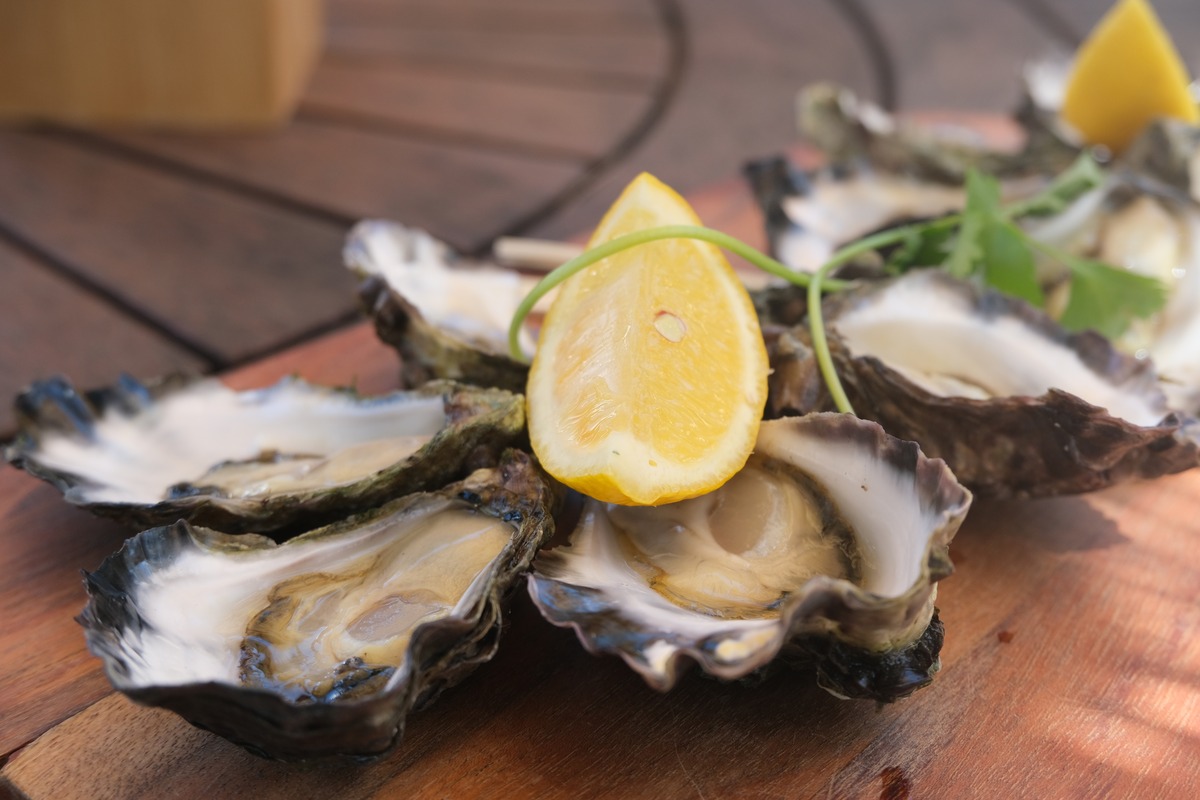
The U.S. Food and Drug Administration (FDA) has recalled frozen oysters from Tongyeong, South Korea, due to potential norovirus contamination.

Local media reported on March 11 that the FDA and the Interstate Shellfish Sanitation Conference (ISSC) issued warnings to restaurants and wholesalers, advising them against selling or handling Korean frozen oysters.

The recall applies to frozen half-shell oysters harvested on January 30 and February 4 last year in Tongyeong.

The action follows a report to the FDA on March 7 from California, where the oysters were initially distributed. According to the California Department of Public Health, a consumer who ate them experienced diarrhea, abdominal cramps, nausea, fever, and body aches, suggesting a possible norovirus infection.

The FDA stated that they are investigating the possibility of the product being distributed to other regions and urged consumers to remain cautious.

Regarding the recall, the FDA stressed that restaurants and retailers should not offer or sell Korean frozen oysters and advised consumers to seek medical attention if they experience any symptoms after eating oysters.

Hot this week

Unlocking the Power of Intel Core Series 2: A Comprehensive Guide to Edge AI Solutions

Intel unveils Core Processor Series 2 and AI suite for healthcare, enhancing edge computing performance and reliability in industrial settings.

Samsung’s Record R&D Investment: How it is Shaping the Future of AI and Semiconductors

Samsung Electronics invested a record $25.33 billion in R&D to lead in AI and semiconductors, boosting its future tech capabilities.

How Rising Fuel Prices Impact Asian Airlines: A Comparison of FSC vs. LCC

Low-cost carriers are struggling to cope with rising fuel prices, lacking effective hedging strategies unlike major airlines.

SK Group Invests 630 Million USD AI Company

SK Group invests heavily in AI, aiming to transform into a leader in the AI market through a new U.S. investment firm.

Nvidia’s Jensen Huang Predicts 1000x Surge in AI Computing Demand

Nvidia's CEO highlights surging AI computing demand due to AI agents like OpenClaw, boosting memory chip demand from firms like Samsung.

Topics

Unlocking the Power of Intel Core Series 2: A Comprehensive Guide to Edge AI Solutions

Intel unveils Core Processor Series 2 and AI suite for healthcare, enhancing edge computing performance and reliability in industrial settings.

Samsung’s Record R&D Investment: How it is Shaping the Future of AI and Semiconductors

Samsung Electronics invested a record $25.33 billion in R&D to lead in AI and semiconductors, boosting its future tech capabilities.

How Rising Fuel Prices Impact Asian Airlines: A Comparison of FSC vs. LCC

Low-cost carriers are struggling to cope with rising fuel prices, lacking effective hedging strategies unlike major airlines.

SK Group Invests 630 Million USD AI Company

SK Group invests heavily in AI, aiming to transform into a leader in the AI market through a new U.S. investment firm.

Nvidia’s Jensen Huang Predicts 1000x Surge in AI Computing Demand

Nvidia's CEO highlights surging AI computing demand due to AI agents like OpenClaw, boosting memory chip demand from firms like Samsung.

How Samsung’s Galaxy S26 Series Leverages India’s R&D for Innovation

Samsung's R&D centers in India are key to developing the Galaxy S26, highlighting India's role in global tech innovation.

GPT-5.4 vs. GPT-5.2: What Makes OpenAI’s Latest Model a Game Changer?

OpenAI launched GPT-5.4, an AI model enhancing professional tasks with improved coding, reasoning, and tool integration capabilities.

Apple MacBook Air M5: Is the Price Increase Worth the AI Performance Boost?

Apple launches the MacBook Air with M5 chip, doubling storage and enhancing AI capabilities, starting from 1,223 USD.

Related Articles