The United States’ surprise trade agreement with India appears to be driven by complex geopolitical and economic changes, including last week’s India-European Union (EU) trade deal and pressures surrounding the Russia-Ukraine war ceasefire.
Agreement exchanges tariff cuts for energy trade
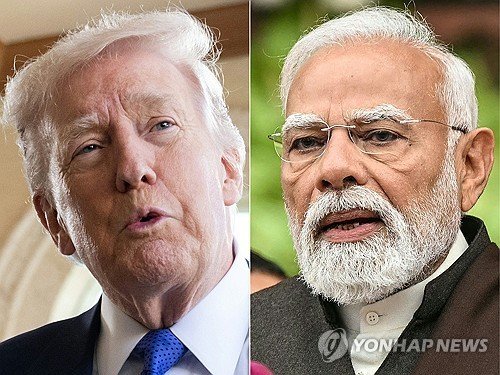
On February 2, U.S. President Donald Trump announced via Truth Social that the two countries had agreed to a trade deal “effective immediately.” The deal will reduce U.S. tariffs on Indian goods from 25% to 18%. Trump also stated that India would cease purchasing Russian oil and instead buy significantly more American oil, and potentially purchase Venezuelan oil as well.
Tensions between the U.S. and India had escalated last April when Trump imposed global mutual tariffs. He levied a 25% tariff on India, with an additional 25% for Russian oil purchases, while India had firmly resisted opening its agricultural market.
This new agreement dramatically cuts U.S. tariffs on Indian products from up to 50% to 18%, in exchange for India’s commitment to stop Russian oil imports and make substantial investments in the U.S.
Trump indicated that India would work towards eliminating tariffs and non-tariff barriers. He reported that Prime Minister Modi pledged to purchase over 500 billion USD in American energy, technology, agricultural products, coal, and other goods, along with a significantly higher “Buy American” commitment.
Modi confirmed the phone call with Trump on X, welcoming the tariff reduction on Indian products to 18% and thanking Trump on behalf of 1.4 billion Indians. However, he did not specifically address plans to halt Russian oil imports or reduce tariffs on American products.
Russian and Venezuelan oil to Keeping the EU in Check
The deal carries multiple implications beyond trade. The U.S. has long pressured India to stop buying Russian oil, viewing it as an obstacle to ending the Ukraine conflict. India imports 1.3 to 1.8 million barrels of Russian oil daily, which is about 35% of its total oil imports. Analysts see this as a strategy to cut off Russia’s war funding and force peace talks. Trump stated that stopping Russian oil purchases would help end the Ukraine war, which claims thousands of lives weekly.
Coincidentally, Trump hinted at potential good news regarding Ukrain-Russia peace negotiations. In response to related questions from reporters at the White House, he said, “This is the first time I’m saying this,” adding, that talks were taking longer than expected. He continued to state that he had spoken with Russian President Vladimir Putin, though he did not disclose the specific details of what Putin had agreed to.
Furthermore, there is an underlying goal to revitalize Venezuela’s oil industry. Since the arrest of Venezuelan President Nicolás Maduro in January, the U.S. has essentially been managing Venezuela’s collapsing oil sector. The U.S. administration has sought cooperation from major U.S. oil companies and needed a stable market for Venezuelan crude. Reuters noted that while the trade agreement addresses two key White House objectives, the ultimate destination of Russian and Venezuelan crude oil will be determined by price, not politics.
This U.S.-India agreement also strongly serves as a direct response to India’s recent trade deal with the EU. India and the EU signed a comprehensive trade agreement last week, which is evaluated as an example of cooperation among US allies seeking to diversify their economies away from excessive dependence on the US market. Analysts suggest the U.S. accelerated negotiations to prevent India from aligning solely with Europe.
The Financial Times reported that recent India-EU and India-UK agreements likely pressured Trump to secure a deal with India.