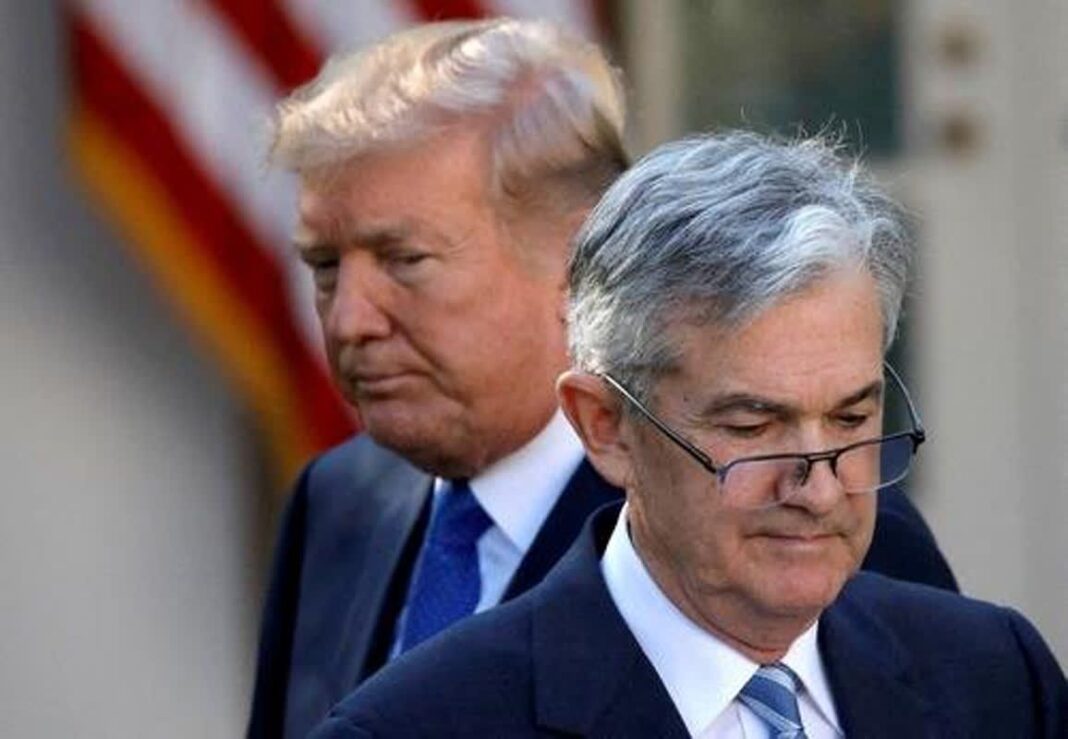
On Monday, Trump’s unexpected call for a 10% ceiling on credit card interest rates dealt a severe blow to U.S. credit card company stocks.
In a social media post on the evening of January 9, Trump demanded that credit card interest rates be limited to a maximum of 10% for one year starting January 20, the first anniversary of his second term inauguration.
While the administration framed it as a relief for Americans struggling with the cost of living, many viewed this as a strategic move to court voters ahead of the November 3 midterm elections.
When markets opened on Monday, credit card company stocks took a nosedive.
Capital One Financial plummeted 7.3%, American Express fell 5.3%, and Bread Financial Holdings suffered a staggering 12% drop. Synchrony Financial also tumbled 8.7%.
Major banks also saw significant declines. JPMorgan Chase, set to report quarterly earnings the following day, slid 2.1%, while Citigroup plunged 3.4%.
With JPMorgan’s earnings release on Tuesday, Wall Street enters the fourth-quarter reporting season.
The ripple effects crossed the Atlantic, impacting the UK market.
Barclays, the British investment bank listed on the London Stock Exchange with ambitions to expand into U.S. consumer credit, saw its shares fall 2.4%.
If Trump’s proposed 10% cap on credit card interest rates becomes mandatory, it could spell financial disaster for banks due to a catastrophic loss of revenue.
According to the St. Louis Federal Reserve, U.S. credit card debt currently stands at approximately 1.1 trillion USD, with average interest rates around 20%. This implies that major banks and credit card companies collect about 220 billion USD annually from credit card interest alone. Since credit card interest often compounds daily, late payments would decimate profit margins.
While it’s unclear what enforcement measures the Trump administration might take to implement this interest rate cap, or whether the executive branch even has such authority without congressional approval, the uncertainty has heightened anxiety among credit card issuers.
Trump further unnerved the industry by intensifying his criticism of credit card companies on January 11.
According to the Financial Times,Trump spoke to the reporters on Air Force One that he could sanction credit card companies. He warned that failure to lower rates to 10% by January 20 would constitute a legal violation, hinting at potential legal action. Trump added, “Some credit card companies are charging interest rates approaching 28% or 30%.”
The banking industry argues that capping interest rates could lead to canceled cards for higher-risk customers with lower credit scores, potentially driving them to unregulated predatory lenders.
Jared Seiberg, an analyst at TD Cowen, cautioned that an interest rate cap would not only restrict credit card lending but also expose banks to increased risks, potentially harming the economy on multiple fronts.
Nevertheless, Seiberg predicted that U.S. Treasury Secretary Scott Bessent might pressure credit card companies to lower rates below 10%, in line with the president’s wishes.