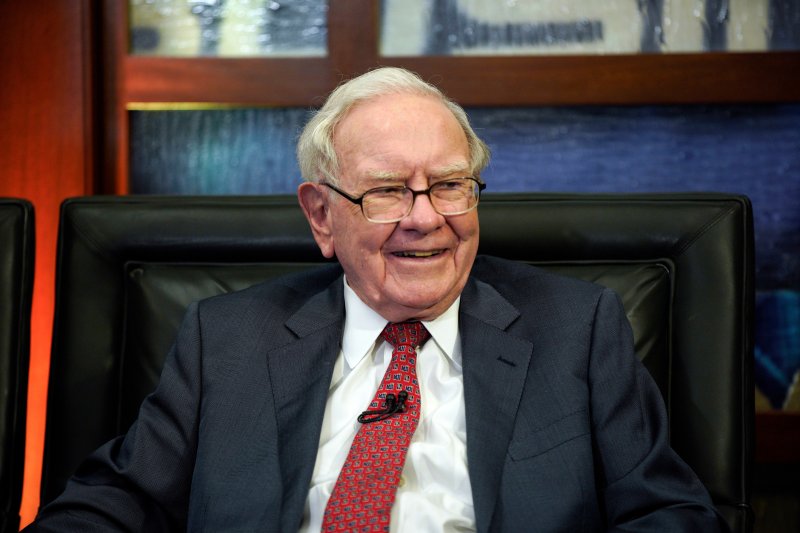
Warren Buffett, the legendary investor known as the “Oracle of Omaha,” has stepped down as CEO of Berkshire Hathaway at the age of 95. While he will retain his position as chairman, this transition effectively marks his retirement from the front lines of investment.
A Legacy of Staggering Returns: 6.1 Million Percent Over 60 Years
According to U.S. media outlets such as CNBC on December 31 of last year, on Buffett’s final day as CEO, Berkshire’s Class A shares closed at 754,800 USD, down 0.1% from the previous session. Class B shares dipped 0.2% to 502.65 USD.
Since Buffett took control of Berkshire in 1965, the company’s stock has skyrocketed by an astounding 6.1 million percent over six decades. This phenomenal growth far outpaces the S&P 500’s total return of about 46,000% during the same period, including dividends. Berkshire’s estimated average annual stock price increase from 1965 to 2024 stands at an impressive 19.9%.
As of September 30 last year, Berkshire held 381.7 billion USD in cash and cash equivalents, with stock assets totaling 283.2 billion USD. Buffett, currently ranked as the world’s 10th wealthiest individual, holds an estimated personal wealth of 150 billion USD.
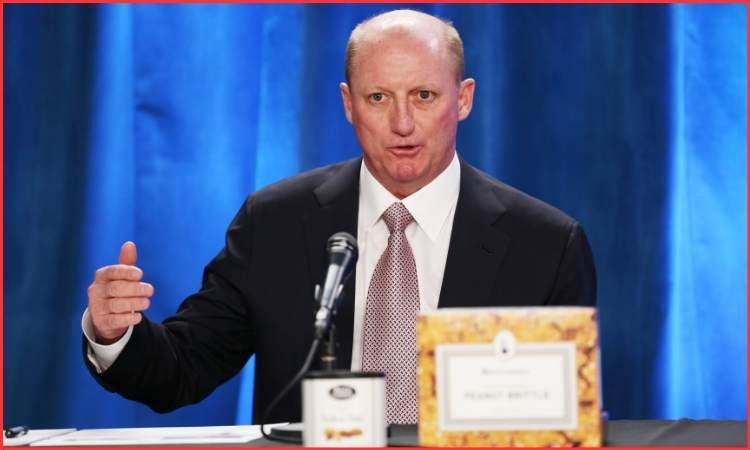
Buffett announced his departure as CEO during Berkshire’s annual shareholder meeting in Omaha, Nebraska, on May 3 last year. Greg Abel (63), formerly vice chairman of Berkshire’s non-insurance operations, became the new CEO on January 1. Abel joined Berkshire in 1999 and has made significant contributions to the company’s energy sector. Buffett entrusted Abel with all non-insurance operations in 2018 and declared him his successor in 2021. Praising Abel, Buffett stated, “Truly exceptional talent is rare. It is rare in business, capital allocation, and all aspects of human endeavor.” While stepping down as CEO, Buffett will retain the position of board chairman and maintain a presence at Berkshire’s Omaha headquarters to support Abel.
A Steady Hand in Turbulent Times
Born in August 1930, Buffett began investing at an early age and acquired control of Berkshire, then a textile company, in 1965. He transformed it into a global conglomerate with approximately 200 subsidiaries in various industries, including insurance, railroads, energy, and other sectors. Famous for value investing, Buffett was called the “Oracle of Omaha” and remained a legend in the U.S. investment industry. His stock portfolio includes heavyweight names like Apple, American Express, Bank of America, Coca-Cola Company, and Chevron.
Buffett’s wealth-building strategy centers on value investing of selecting stocks based on intrinsic value and holding them long-term. He is also famous for his investment philosophy that people should only invest in what they understand. Berkshire has yet to announce who will take over as Chief Investment Officer to oversee portfolio management. Steve Hafner, CEO of Kayak, told CNN, “I’ve always admired Buffett’s ability to explain complex concepts in simple terms. Distilling complicated issues to their essence is a rare skill.”
Buffett still resides in the modest Omaha home he purchased for 31,500 USD in 1958 and enjoys McDonald’s fast food and Coca-Cola. In a May interview, he stated, “My health is good and I feel great every day.” He emphasized that even after retirement, “I won’t be sitting at home watching soap operas. My interests remain unchanged.” Buffett added, “I made decisions 20, 40, 60 years ago, and I have no trouble making them now. I become valuable during market panics because I don’t fear falling prices or widespread panic. That’s not a function of age.” He asserts that his experience remains an asset in turbulent times.