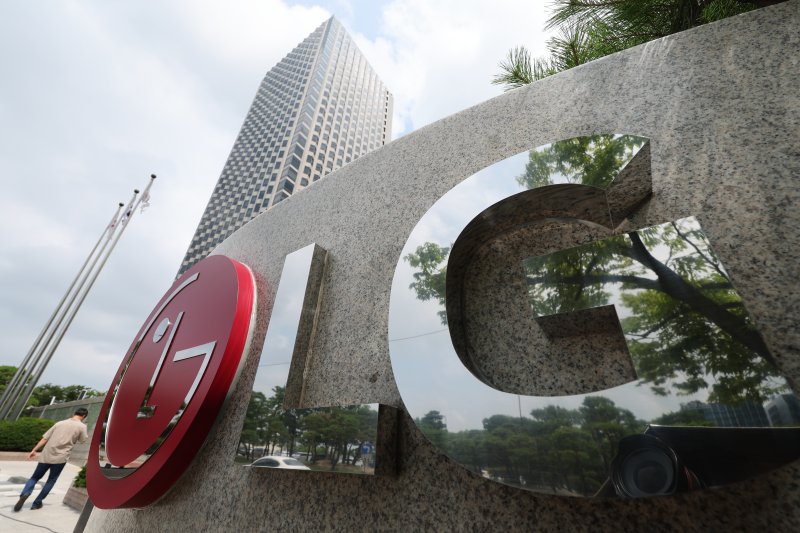
LG Electronics has set the price range for the initial public offering (IPO) of a 15% stake in its Indian subsidiary, with the valuation falling between 1.7384 trillion KRW (approximately 1.24 billion USD) and 1.8350 trillion KRW (approximately 1.31 billion USD). The public offering price per share will be between 17,000 KRW (approximately 12.11 USD) and 18,000 KRW (approximately 12.83 USD). The shares are scheduled for disposal on October 13, with the final listing set for the following day.
LG Electronics announced on Wednesday that it had received final approval from India’s Securities and Exchange Board for the listing. The company conservatively announced the disposal amount based on the lowest end of the price range at 1.7384 trillion KRW (approximately 1.24 billion USD), although the actual figure is expected to be higher.
If the offering reaches the upper price limit, LG Electronics India could be valued at over 12 trillion KRW (approximately 8.55 billion USD). This valuation exceeds the market capitalizations of its publicly listed peers in India, including Whirlpool of India (approximately 1.71 billion USD) and the Tata Group’s Voltas (approximately 5.13 billion USD).
This IPO is structured as a secondary sale of existing shares by the parent company, LG Electronics, meaning the proceeds will be fully repatriated to the headquarters in South Korea without the issuance of new shares. The board of directors decided to divest 15% (101,815,859 shares) of its stake in the Indian subsidiary on Tuesday.
The use of the trillions of won in capital from the IPO is drawing significant attention. The company is expected to prioritize future growth initiatives, including equity investments and mergers and acquisitions. As part of its focused growth strategy, LG Electronics is restructuring its portfolio around qualitative growth areas, particularly in the B2B sector, investing in promising fields to accelerate future growth and strengthen core competitiveness over the next decade. Additionally, a portion of the funds may be allocated to enhance shareholder value.
LG Electronics is optimistic about the growth prospects of the Indian home appliance market, citing the country’s 1.4 billion population and robust economic growth. The currently low penetration rates for home appliances indicate significant room for the market’s growth potential. Company data shows that the penetration rates stand at 40% for refrigerators, 20% for washing machines, and a mere 10% for air conditioners.
Since entering the Indian market in 1997, LG Electronics has spent 28 years building a comprehensive local business infrastructure. The company currently operates two manufacturing plants, 51 regional offices, and over 780 brand shops across India. A third production facility is being constructed in Sri City in southern India, complementing the existing plants in Noida and Pune.