Indian research and development (R&D) centers reportedly played a core role in the development of Samsung Electronics’ latest flagship smartphone, the Galaxy S26 series.
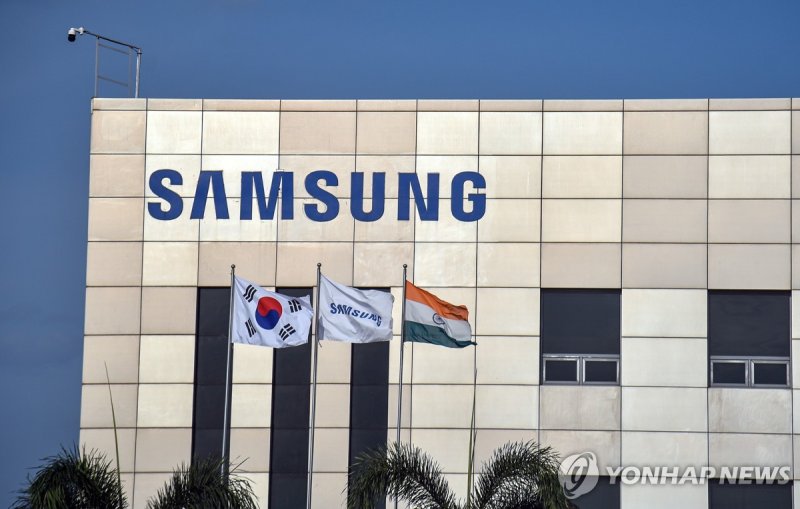
Local media reported on March 6 that during a media roundtable at the Galaxy S26 launch event, the President and CEO of Samsung Southwest Asia Park Jong-beom highlighted the substantial contributions of Samsung’s R&D centers in Bengaluru and Noida to key technological areas of device development. He noted that this demonstrates India’s growing importance in global product engineering and innovation for the tech giant.
India is a strategic market for Samsung Electronics, contributing about 10% to its global revenue. The company currently employs over 10,000 engineers across three R&D centers in India. The Bengaluru center, Samsung’s largest R&D hub outside South Korea, spearheads the development of on-device AI algorithms, with a particular focus on enhancing camera functionalities.
Meanwhile, the Noida R&D center is responsible for product configurations and software coding tailored to global markets. This facility manages network frequency settings, carrier collaborations, and product configurations to meet the needs of roughly 129 countries.
Park explained that while the fundamental structure of our devices is developed in Korea, the critical engineering work that ensures seamless integration of various components and software is heavily reliant on operations in India.
He also noted a gradual shift in the Indian smartphone market toward premium products. However, Park acknowledged that public understanding of AI technology is not yet fully developed, emphasizing Samsung’s need to more actively educate consumers about the value of its AI ecosystem.
Samsung Electronics is optimistic about introducing AI-integrated smartphones and other devices to the Indian market, particularly among younger consumers. Park stated, “India boasts the world’s largest youth population, with about 65% under 35 years old. The adoption rate of artificial intelligence among Indian consumers is among the highest globally.” He added that this youthful demographic is driving the rapid adoption of AI-based smart devices.