As global demand for TVs slows and Chinese manufacturers flood the market with budget options, LG Electronics is finding a breakthrough in its webOS platform business. Analysts point out that the platform is rapidly becoming a new cash cow, effectively replacing the traditional hardware-centric revenue model with high-margin income from ads and content.
According to industry insiders on January 16, LG’s webOS division has achieved remarkable success, boasting an average annual revenue growth rate exceeding 60%. By the close of 2024, the platform’s sales had surpassed the 1 trillion KRW mark (approximately 678 million USD). Moreover, the business maintains an impressive double-digit operating profit margin, outperforming LG’s conventional hardware segments.
LG has significantly expanded its webOS ecosystem over the past three years, adding more than 70 million compatible devices. This aggressive growth has resulted in a cumulative user base of 260 million devices as of last year. The company’s strategy extends beyond its own smart TV lineup, with webOS now powering over 10 million TVs from partner brands.
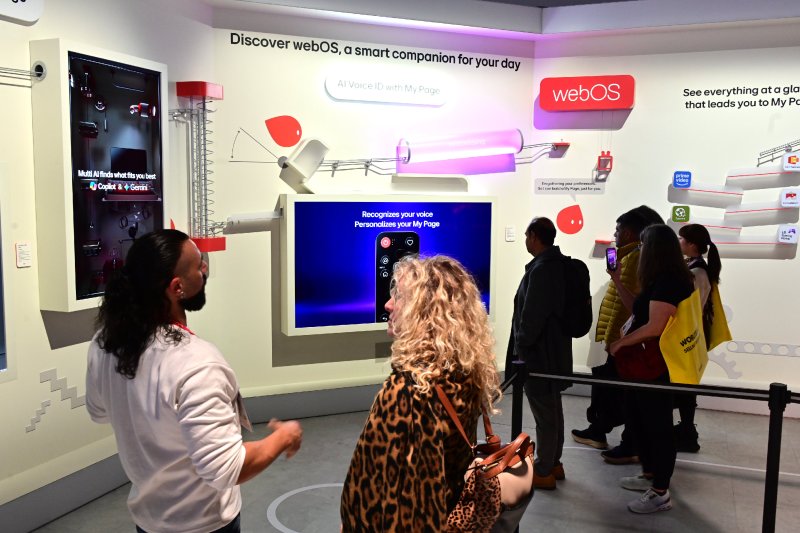
The expansion of the webOS ecosystem is LG’s response to a stagnating TV market, offering new avenues for revenue generation. The platform has evolved far beyond its origins as a simple operating system, now encompassing a wide range of services including free ad-supported streaming TV (FAST) channels, over-the-top (OTT) content distribution, and sophisticated advertising and data analytics capabilities.
An industry expert commented, “The webOS business is highly profitable and continues to grow every year. It’s become a reliable source of revenue, even as traditional TV sales face headwinds.”
Looking ahead, LG has set ambitious targets for its webOS platform. The company aims to more than double the number of webOS-equipped devices by 2030, while aggressively expanding into new product categories such as smart monitors, digital signage, and mobility solutions to drive content and advertising revenue.
This platform shift is one pillar of LG’s two-pronged strategy to maintain its market position in the face of intense competition from Chinese budget TV manufacturers. The company is simultaneously pushing its premium OLED TV lineup while developing its webOS ecosystem to ensure long-term sustainability.
Market forecasts for the FAST sector remain optimistic, particularly in North America and Europe. Market research firm Grand View Research projects the global FAST market will expand at a compound annual growth rate of 16.9% through 2033. North America currently dominates with a 31% global market share, while major European markets including the UK, Germany, and France are expected to see robust double-digit growth.