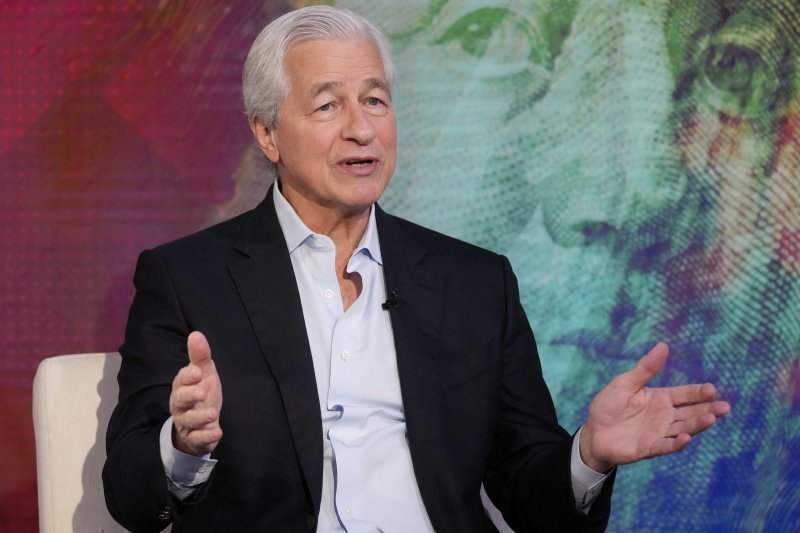
As the Trump administration launches a criminal investigation targeting Federal Reserve Chair Jerome Powell, Wall Street leaders and global monetary authorities have swiftly moved to form a united front in defense of the central bank’s independence. Jamie Dimon, CEO of JPMorgan Chase and a heavyweight in American finance, cautioned that any attempt to undermine central bank autonomy is “not a good idea”, potentially leading to increased inflation and higher interest rates.
Speaking to reporters on Tuesday after JPMorgan’s fourth-quarter earnings release, Dimon addressed the Department of Justice’s subpoena of the Fed, stating that “anything that chips away” at Fed’s independence “is probably not a good idea.”
Dimon stressed that political meddling in Fed affairs could drive up both inflation and interest rates, directly contradicting U.S. President Trump’s persistent calls for rate cuts. His remarks came on the heels of Powell’s weekend disclosure about the ongoing Department of Justice investigation.
While acknowledging that he doesn’t always agree with the Fed’s decisions, Dimon voiced strong personal support for Powell. This stance signals that even if Wall Street leaders have reservations about interest rate policies, they’re likely to publicly back Powell on the critical issue of Fed independence.
Trump has long pressured the Fed to lower rates, arguing it would boost the economy and ease housing costs. However, the conflict escalated when Powell directly mentioned the possibility of criminal charges.
Powell indicated feeling “persecuted” for not cutting rates to Trump’s desired levels, suggesting that the central bank’s monetary policy has become a target of political attacks.
On the same day, JPMorgan CFO Jeremy Barnum warned that if investors lose faith in the Fed’s autonomy, it could severely damage the U.S. economic outlook and potentially destabilize the global economy.
Robin Vince, CEO of BNY Mellon, echoed these sentiments, emphasizing that the Trump administration’s pressure could be counterproductive and that central bank independence is crucial for bond market stability. This underscores that Fed independence isn’t just a political issue but a cornerstone of confidence in U.S. Treasuries, the dollar, and global financial markets.