Following the recent military intervention in Venezuela, the U.S. government has drawn a line regarding the management of the country’s oil assets. While it has stated that it will not directly operate local oil companies, it made clear that U.S. firms will enter the market and expand oil production.
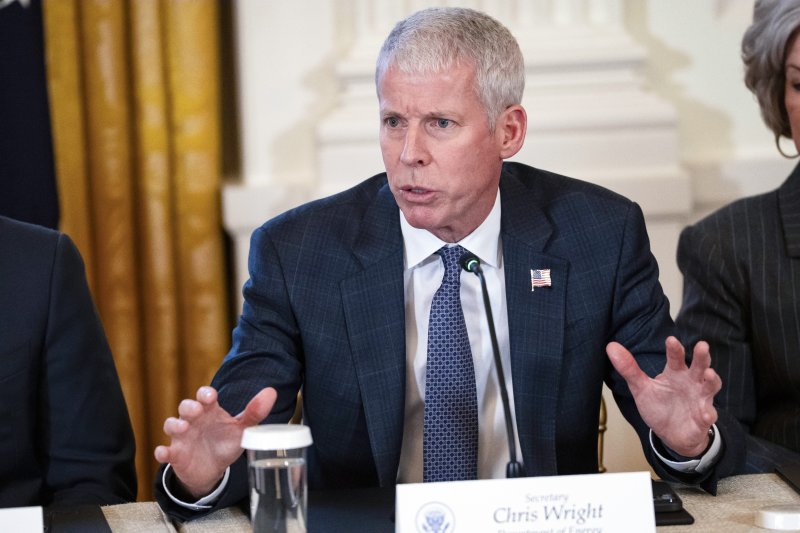
In a CBS News interview on January 11, Secretary of Energy Chris Wright addressed questions about Venezuela’s state oil company, PDVSA. When asked if the U.S. would take over and directly manage PDVSA, he responded, “No. Today we are running the sale of their crudes.”
However, Wright predicted increased “American involvement” in Venezuela’s oil industry, stating, “You’ll see American companies’ expanded presence there. You’ll see growing production.”
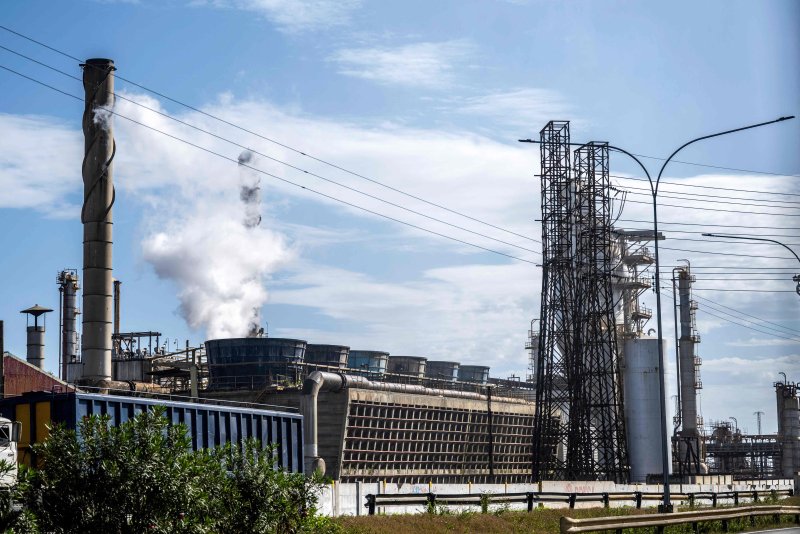
The U.S. Energy Information Administration (EIA) reported that as of 2023, Venezuela held about 17% of the world’s total oil reserves, the largest of any single country. However, due to poor quality and outdated refining technology, Venezuela’s actual production and supply to the international oil market that year amounted to only 0.8% of global production.
Venezuela’s oil production peaked at an average of 3.5 million barrels per day in the late 1990s but had plummeted to just 860,000 barrels per day as of November last year. Analysts attribute this decline to the mass exodus of Western oil companies following the unilateral nationalization policies under the leftist regimes of former Venezuelan President Hugo Chávez and current Venezuelan President Nicolás Maduro. This exodus, coupled with deteriorating oil infrastructure, led to a sharp drop in production. In 2007, American oil giants ConocoPhillips and ExxonMobil withdrew from Venezuela in response to Chávez’s nationalization efforts, leaving Chevron Corporation as the sole remaining U.S. oil company in the country.
U.S. President Donald Trump, who initiated action against Maduro on January 3, told reporters, “We’re going to run the country until such time as we can do a safe, proper, and judicious transition.” On January 9, he convened executives from major oil companies, including ExxonMobil, to encourage their participation in rebuilding Venezuela’s oil facilities. Wright clarified on January 11 that the U.S. is not not at the stage of providing direct military guarantees to American companies in Venezuela.
Wright asserted that all Venezuelan oil is now traded through American crude marketers, claiming that the collected funds would be used to “better the lives of Americans and Venezuelans.” He emphasized the goal of increasing Venezuela’s oil production to lower gasoline prices, insisting, “President Trump is no helper to the oil and gas industry.”
Regarding the potential acquisition of Citgo, PDVSA’s U.S. subsidiary, by an American hedge fund, Wright commented that it would be “fantastic” for U.S. refining assets to be owned by American entrepreneurs. He firmly denied allegations of preferential treatment for Paul Singer, a major Trump donor, and his hedge fund Elliott Management in the Citgo acquisition process, stating, “I can assure you that is absolutely not the case.”
Wright argued that Trump’s actions are actually driving down oil prices, reducing the oil companies’ profitability. He further that the Democratic policies that restrict supply and raise prices would be more beneficial for oil companies.
He emphasized, “Certainly there’s no corruption, preferential placement of people,” and added that all the contracts were awarded through an open auction that will be reported to Congress.