As U.S.-Russia negotiations for a ceasefire in Ukraine concluded without progress, reactions from Washington and European capitals have diverged sharply. U.S. President Donald Trump maintains that Moscow still desires peace, but European officials remain skeptical.
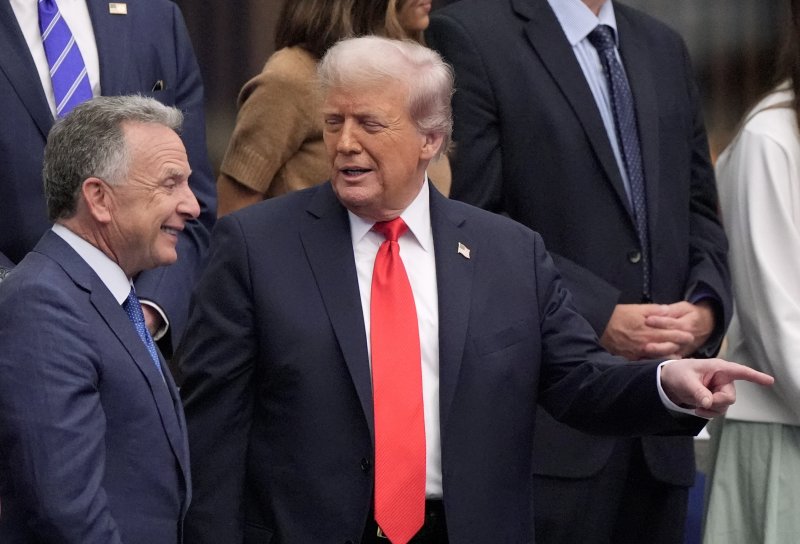
According to reports from CNN and other U.S. media outlets, Trump addressed reporters at the White House on Wednesday, discussing the previous day’s negotiations at the Kremlin. He characterized the U.S. delegation’s meeting with Russian President Vladimir Putin as “fairly positive.” Trump emphasized the need to monitor Russia’s next moves closely. “As for the meeting’s outcomes? I can’t disclose that. It takes two to tango,” he stated.
The Trump administration, mediating the Ukraine-Russia ceasefire, presented Ukraine with a draft agreement containing 28 points on November 20.
Subsequently, delegations from Ukraine, Europe, and the U.S. convened in Geneva on November 23 to engage in detailed ceasefire negotiations. Sources indicate they streamlined the initial 28-point agreement to 19 items, revising content perceived as favoring Russia. The Ukrainian delegation then traveled to Florida on November 30 for a second round of talks with U.S. representatives.
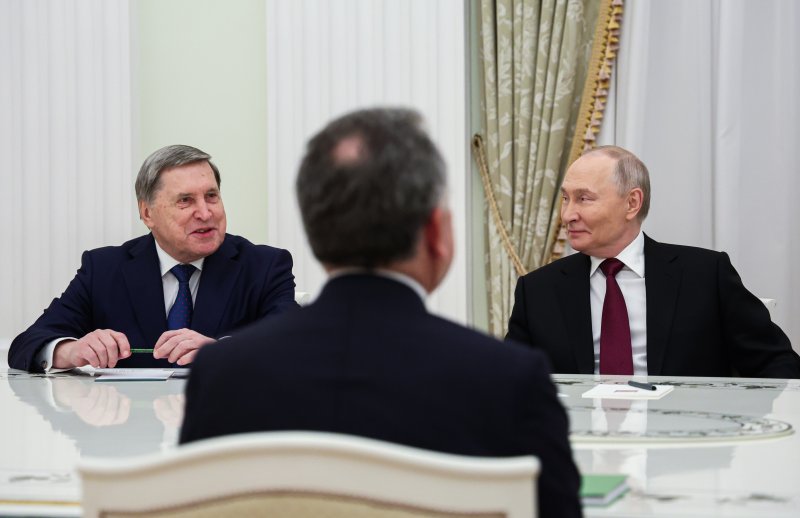
On Tuesday, Jared Kushner, Trump’s son-in-law, and U.S. Special Envoy to the Middle East Steve Witkoff met with Putin and the Russian delegation in Moscow, presenting the revised ceasefire proposal. Despite a five-hour closed-door session, no concrete progress was reported. On Wednesday, Yuri Ushakov, a Kremlin foreign policy advisor, confirmed that both sides had yet to reach a compromise on the status of Russian-occupied territories. “Both Moscow and Washington have substantial work ahead. That’s the current agreement,” he stated, indicating that diplomatic channels would remain open. Dmitry Peskov, the Kremlin spokesperson, characterized the negotiations as “a standard process where some points were accepted and others marked as unacceptable,” emphasizing it wasn’t an outright rejection.
On Wednesday, after receiving a briefing from Witkoff and others, Trump asserted, “Putin wants to end this conflict. That’s the impression they got.” He added, “Frankly, instead of losing thousands of troops weekly, they sensed that Russia strongly desires a ceasefire agreement.”
However, NATO member states in Europe expressed skepticism about the negotiations. Estonian Foreign Minister Margus Tsahkna, speaking at a NATO foreign ministers’ meeting in Brussels on Wednesday, stated, “Putin hasn’t altered his course at all. In fact, he’s intensifying aggression on the battlefield. It’s evident he has no interest in any form of peace.”
Finnish Foreign Minister Elina Valtonen argued that a comprehensive ceasefire is the starting point for building trust, given Russia’s lack of concessions. Notably, U.S. Secretary of State Marco Rubio was absent from this meeting. On the same day, Ukrainian President Volodymyr Zelenskyy announced via social media that European national security advisors were convening in Brussels to discuss the U.S.-Russia meeting outcomes. He also mentioned that the Ukrainian ceasefire negotiation team plans to reconvene with U.S. representatives.
Meanwhile, Ushakov told reporters on Wednesday that Russia’s negotiating position has strengthened due to recent military successes. He emphasized that the progress and nature of talks with the U.S. have been influenced by Russian military achievements in recent weeks. “Our military’s successes have led to a more realistic assessment of peaceful resolution options by foreign partners,” he stated, expressing hope that Ukraine and European nations would develop a more balanced view of the current situation.