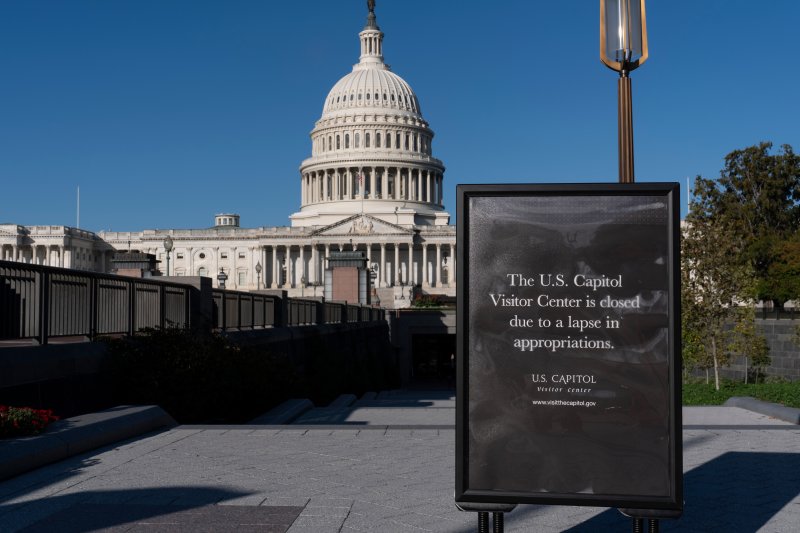
With the U.S. Senate dramatically reaching a deal on the federal government shutdown, U.S. President Donald Trump has expressed support for the agreement. Last night, some Democratic senators voted in favor of the Republican temporary spending bill, effectively ending the filibuster. This paves the way for the bill to pass with Republican votes alone. The remaining steps include a House vote and the President’s signature. However, the Democratic Party is showing signs of division, with some members criticizing their colleagues for capitulating to Trump.
On Monday, when asked by reporters at the White House if he would accept the shutdown agreement being negotiated in the Senate, Trump responded affirmatively. He stated, “Based on everything I’ve heard so far, I will abide by the deal.” The deal has cleared major procedural hurdles in the Senate and is headed for a final vote. Today marks the 41st day of the federal government shutdown, setting a record for the longest in U.S. history.
Trump, however, added a caveat, saying, “If it is the deal I heard about.” He noted that while some are attempting to modify the deal slightly, nothing has actually changed yet. Trump emphasized that he has secured sufficient Democratic support and that the government will soon reopen quickly.
This Senate agreement is a compromise reached after weeks of voting deadlock. It emerged after the failure of both the Republican-backed temporary budget at current levels and the Democratic demands for healthcare protections and tax credit extensions.
The Democrats had pushed for a permanent extension of the enhanced tax credits from the Affordable Care Act (ACA), so-called the Obamacare, but this provision was not included in the final agreement. Instead, the Republican Senate leadership promised to bring the Democrats’ healthcare bill to a vote by mid-December. Additionally, the Democrats secured guarantees to reinstate federal employees laid off during the shutdown and provide back pay to furloughed workers.
The House is now preparing for a vote on the bill. In a Fox Business interview, House Speaker Mike Johnson stated that if the Senate acts swiftly, the House could pass the bill on Wednesday and send it to Trump for his signature, making it law. Johnson added that he would give members 36 hours’ notice to return once the Senate passes the bill.
Meanwhile, recent Democratic victories in the New York mayoral, New Jersey gubernatorial, and Virginia gubernatorial elections have exposed fractures within the party during shutdown negotiations. Seven Democratic senators and one independent joined forces with Republicans to craft this dramatic agreement. Notably, none of these senators are seeking re-election in next year’s midterms.
Within the Democratic Party, some have criticized the agreement for lacking a firm guarantee on health insurance subsidy extensions, calling it a surrender to Trump.
Chuck Schumer, the Democratic Senate Minority Leader from New York, asserted that Republicans bear responsibility for rising health insurance premiums, stating that they will be held accountable for this healthcare crisis. House Democratic Minority Leader Hakeem Jeffries indicated that House Democrats would continue to oppose the Senate-passed spending bill and defended Schumer’s response. He added that Democratic members who supported the agreement must explain their decision directly to the American people.