Doctors from eight hospitals and 35 patients have been apprehended by Busan police on a large scale for drug law violations involving the misuse and abuse of prescription appetite suppressants,which are psychoactive drugs circulated for diet purposes.
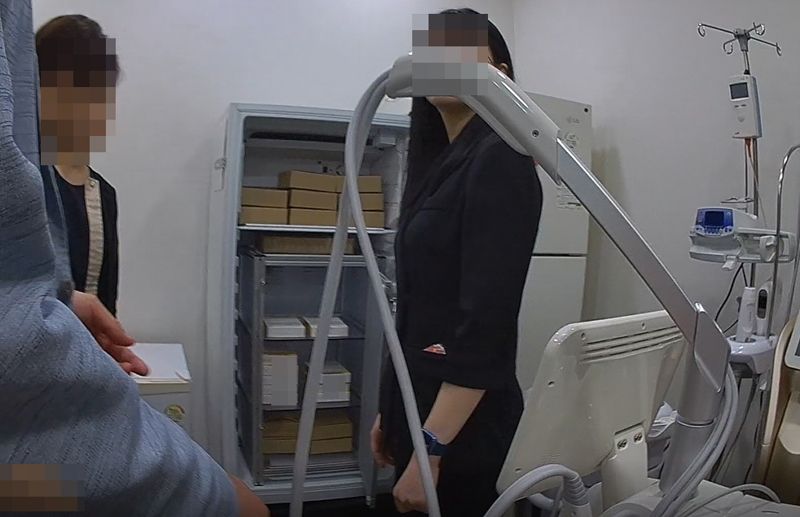
On Thursday, the Busan Police Agency announced that nine doctors and 26 patients from eight hospitals and clinics were charged without detention for violating the Narcotics Control Act.
The investigation revealed that between January 2023 and October 2024, doctors allegedly prescribed appetite suppressants, classified as psychoactive drugs, for non-medical purposes. Patients are accused of consuming these medications during the same period.
The Ministry of Food and Drug Safety guidelines stipulate that appetite suppressants should only be prescribed to patients with an initial body mass index (BMI) of 30 kg/m² or higher. Furthermore, the total prescription duration must not exceed three months, and they should not be combined with other psychoactive medications or given to patients under 16.
Police initiated the investigation following tips about the improper prescription of controlled substances for non-medical reasons.
One doctor, identified as Dr. B from Medical Institution A, allegedly failed to document clear diagnoses and prescribed appetite suppressants long-term using the same pattern. In another case, Patient C requested and received appetite suppressants for cosmetic purposes despite having a normal BMI, leading to prolonged abuse.
During questioning, one arrested doctor attempted to justify his actions, stating, “Patients requested appetite suppressants to lose weight. How could I refuse when they kept asking?”
A police spokesperson emphasized, “Appetite suppressants are classified as medical narcotics. We aim to increase awareness about the dangers of improper prescription and ensure safer medical environments for citizens. These drugs should only be cautiously prescribed to patients who genuinely need obesity treatment, as excessive use can lead to mood disorders and addiction.”