An American woman who won the lottery with numbers picked by the generative artificial intelligence (AI) ChatGPT has become a topic of conversation for deciding to donate her entire winnings.
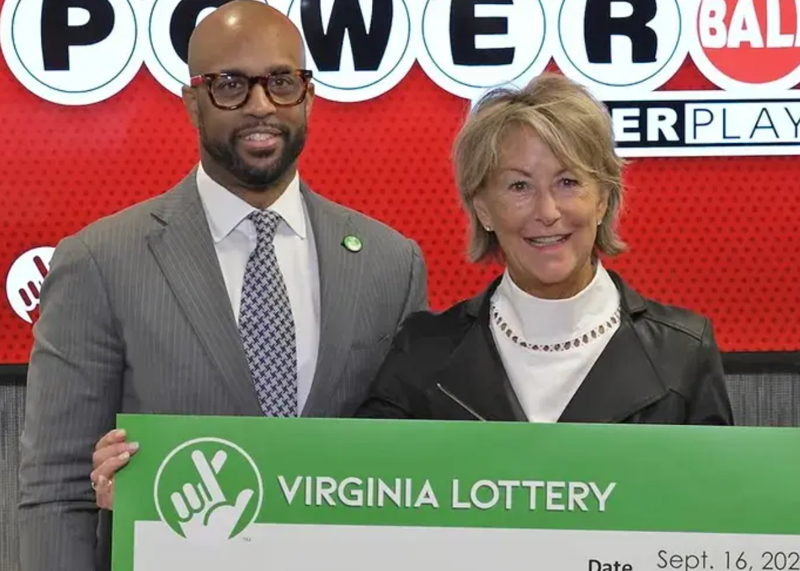
Multiple local media outlets, including Newsweek and the New York Post, reported that Carrie Edwards, a resident of Midlothian, Virginia, collected her prize money after matching four out of five numbers and the Powerball number in the Virginia Powerball drawing on September 8.
The Powerball lottery that Edwards purchased requires matching five numbers between 1 and 49, and one Powerball number between 1 and 42. By adding one dollar to the ticket price, a Power Play option is applied, which triples the prize money.
Edwards won a prize of 50,000 USD for matching four of the first five numbers and the Powerball number. With the Power Play option, her total winnings surged to 150,000 USD.
Remarkably, ChatGPT played a crucial role in Edwards’ lottery success. Not usually a regular lottery player, Edwards decided to buy a ticket online for the first time and turned to the ChatGPT app on her smartphone for help.
At a press conference where she received her winnings, Edwards recounted, “I asked ChatGPT, ‘Talk to me. Do you have numbers for me?’ It replied, ‘You know it’s all about luck, right?’ and suggested a few numbers.”
Two days later, during a company meeting, Edwards received notification of her lottery win. Initially skeptical, she verified the results at home and found her name on the winners’ list. In essence, she won the lottery thanks to ChatGPT.
The most striking aspect of this story is Edwards’ immediate decision to donate her entire winnings upon receipt. She explained,
“As soon as that divine windfall happened and came down upon my shoulders, I knew exactly what I needed to do with it.” She added, “I knew I needed to give it all away, because I’ve been so blessed, and I want this to be an example of how other people, when they’re blessed, can bless other people.”
Edwards plans to distribute her winnings among three organizations: an association supporting research on frontotemporal degeneration (FTD), the cause of her late husband’s death; Shalom Farms, an organization working to combat food insecurity; and the Navy-Marine Corps Relief Society, which provides assistance to military personnel and their families.