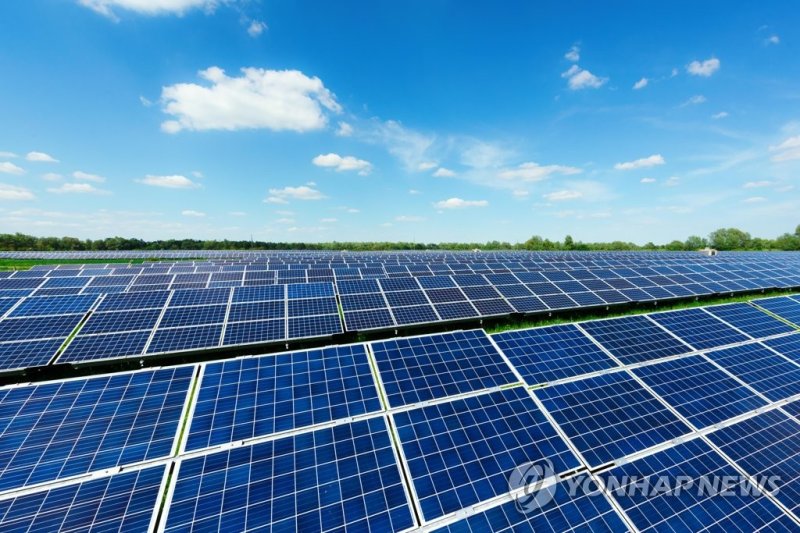
Germany has signaled a shift in renewable energy policy to reduce energy transition costs.
According to the German news agency DPA and other outlets on Monday, German Minister for Economic Affairs and Energy Katherina Reiche announced a ten point plan for cost-efficiency, while also stating that the country will adhere to its legal targets for expanding wind and solar energy.
The proposal includes gradually phasing out the Feed-in Tariff (FiT) system, which is a policy where the government purchases electricity generated from renewable sources at a fixed price. Introduced 20 years ago to boost renewable adoption, it has faced criticism for its high costs and the renewable industry having matured enough to adapt to market competition.
Minister Reiche stressed that despite the FiT elimination, overall support for renewable energy will continue.

Germany aims to source 80% of its electricity from renewables by 2030 and achieve climate neutrality by 2045.
However, a recent economic downturn has led the industry to point to high energy prices and climate policy costs as contributing factors.
The DPA news agency reported that while the previous center-left coalition government pushed for renewable expansion centered on wind and solar, the necessary infrastructure development could not keep up, leading to frequent government intervention and higher electricity prices.
Reiche acknowledged the economic strain of energy costs, calling for a pragmatic approach to balance competitiveness and climate goals.
The new plan also includes building new gas power plants as a backup for when renewable energy cannot meet electricity demand. It was reported that government subsidies will support construction, with project bidding expected to start by the end of the year.
Environmental groups, including Greenpeace, criticized the move as clinging to fossil fuels and slowing renewable growth. The energy think tank Agora Energiewende warned that slowing renewable expansion is short-sighted and could prove costly, sending wrong signals to the economy.